A Great Thanksgiving Begins Long Before the Turkey Goes in the Oven
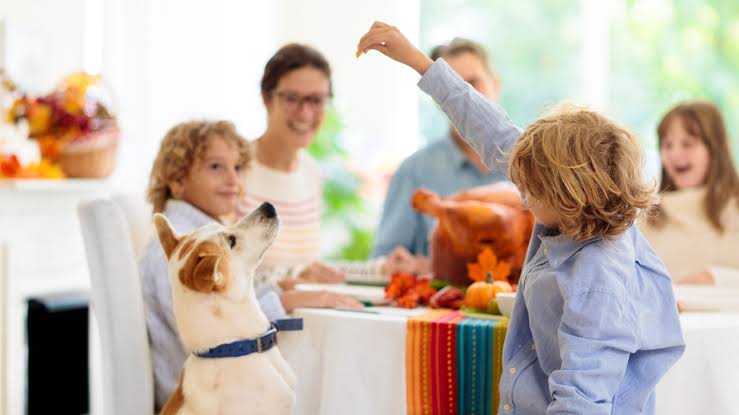
For many families, Thanksgiving is the unofficial beginning of the holiday season. It’s the day when relatives begin arriving from out of town, spare bedrooms fill with luggage, football plays in the background, and the kitchen becomes the busiest room in the house. The dining room table is crowded with food, children are running through the living room, and conversations continue late into the evening. For people, it’s a tradition built around family and gratitude. For your dog, it’s often the most unusual day they’ve experienced all year.
Think about Thanksgiving from your dog’s perspective. Their predictable routine suddenly disappears. The quiet house they’ve known all week is now filled with unfamiliar voices, new scents, open doors, and people moving from room to room. Someone is always carrying food, another guest is ringing the doorbell, and children who rarely visit are eager to play. Even the furniture may be rearranged to accommodate extra guests. None of this makes sense to your dog. They aren’t being stubborn or intentionally disruptive. They’re simply trying to navigate an environment that has changed dramatically in just a few hours.
Dog Training for the Holidays
That is why preparing your dog for Thanksgiving doesn’t begin the week before the holiday. It begins months earlier, when life is still calm enough for your dog to learn new habits without the distractions of a house full of visitors. One of the biggest mistakes families make is assuming they’ll spend a few days practicing before relatives arrive. By then, everyone is busy shopping, cleaning, decorating, and preparing meals. Training becomes another task on an already crowded list, and the opportunity to build lasting habits has already passed.
Dogs learn through repetition, not deadlines. They don’t understand that Thanksgiving is only three weeks away or that Grandma doesn’t appreciate being knocked over at the front door. What they do understand is practice. Every calm greeting, every successful stay on a place bed, every meal where they resist begging, and every quiet moment while visitors talk together becomes another repetition that teaches your dog how to behave when those situations happen again. By the time Thanksgiving arrives, you’re no longer asking your dog to perform something completely new. You’re simply asking them to repeat behaviors they’ve already practiced dozens of times.
Think About Your Hoilday Visitors Now
This is exactly why we’re encouraging families to think about the holidays in the middle of summer. It may seem strange to talk about Thanksgiving while the grill is still outside and the days are long, but that’s precisely when you have the greatest opportunity to succeed. Starting now removes the pressure that so many families feel in late October. Instead of hoping your dog will somehow figure things out during the busiest week of the year, you give them months to build confidence, develop self-control, and understand what’s expected when your home becomes the center of the celebration.
One of the biggest misconceptions about holiday training is that it’s mostly about keeping your dog away from the turkey. While food certainly creates temptation, it represents only a small part of the challenge. The real test comes from everything happening around the meal. Guests arrive unexpectedly. Children want to play. Doors are constantly opening and closing. New smells drift through every room, and people who don’t know your household rules often encourage behaviors you’ve spent months trying to discourage. Your dog isn’t just responding to a plate of food. They’re responding to an entirely different environment.
Fortunately, nearly every one of those situations can be practiced long before Thanksgiving arrives. If your dog becomes overly excited when visitors enter the house, invite friends or neighbors over for short visits every few weeks. If they struggle to settle while people gather in the living room, begin teaching them to relax on a designated place bed while your own family watches television in the evening. If begging has become a habit, start reinforcing good manners during everyday dinners instead of waiting until the holiday meal. Every ordinary day between now and November becomes another opportunity to prepare for one extraordinary day.
How Can Alaska Dog Works Help?
At Alaska Dog Works, we’ve seen this pattern repeat itself year after year. Families who begin training in the summer rarely tell us they wish they had waited until fall. More often, they tell us how much more enjoyable the holidays felt because they weren’t spending the entire day managing their dog’s behavior. They were able to welcome guests, enjoy conversations, and share meals knowing their dog understood what was expected. That’s the real goal of holiday training. It isn’t creating a perfect dog. It’s creating a calmer home where everyone, including your dog, can enjoy being part of the celebration.
Schedule your training evaluation with Alaska Dog Works today and give your dog the time they need to become a confident, well-mannered member of your holiday traditions.
Where to Listen to Dog Works Radio

Dr. Robert Forto
is Alaska Dog Works’ training director.

Michele Forto
is the lead trainer for Alaska Dog Works.
Subscribe to the Dog Works Radio podcast, and check out The Pack newsletter, delivered straight to your inbox.
If you purchase through our links, Alaska Dog Works may earn a commission. Prices were accurate at the time of publication but may change.
We offer a FREE Strategy Call.
Click on the graphic to learn more



Read More