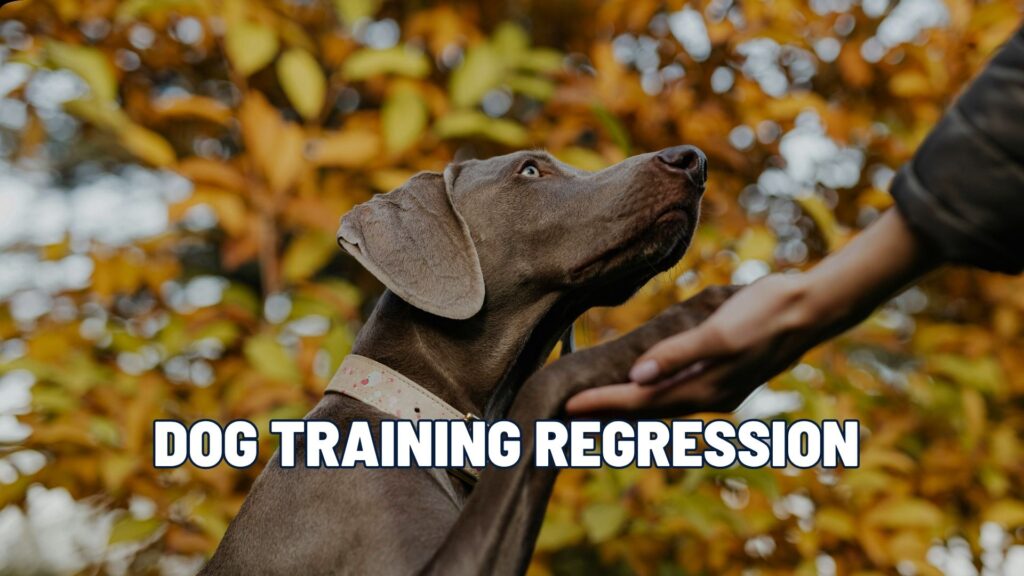
Learn why your dog seems to forget their training and how to get them back on track. This post is essential for dog owners struggling with unexpected behavior changes.
Your dog didn’t forget their training. Instead, something in their environment or routine has shifted. If your dog was following cues perfectly last week and now seems to ignore them or act differently, it can be frustrating. In this post, I’ll break down the reasons why your dog’s behavior may seem to regress and provide actionable steps to help you reconnect without starting from scratch.
Understanding the Breakdown in Training
When a dog appears to forget their training, it’s rarely due to stubbornness or a lack of intelligence. Instead, it often points to a breakdown in clarity, consistency, or context. Here are the main reasons why such behavior occurs:
Context Matters
- Behavior in Different Environments: A command learned in your kitchen may not translate well to a park setting. When the environment changes, your dog might not understand that the same rules apply.
- Increased Distractions: If your dog has been doing well at home but suddenly struggles outside, distractions may be too high for them to focus on your cues.
Reinforcement History
- Inconsistent Rewards: As dogs learn, they need consistent reinforcement to maintain behaviors. If you start rewarding less frequently after seeing improvement, your dog might think the behavior no longer pays off, leading to regression.
Stress and Emotional State
- Impact of Stress: Your dog’s emotional state plays a crucial role in their ability to listen and respond. Stress, fatigue, or excitement can significantly affect their performance.
- Routine Changes: Minor shifts in your dog’s routine or environment can lead to unexpected behavior changes. For instance, if your dog was calm in morning sessions but gets distracted in the evening, it’s a sign their emotional state varies throughout the day.
Getting Back on Track
When you notice a regression in your dog’s behavior, the instinct might be to push harder by repeating cues louder or asking more often. However, this can often worsen the situation. Instead, follow these steps to help your dog succeed again:
Step 1: Assess the Environment
- Identify Changes: Look for any changes in your dog’s environment or routine that might have contributed to the regression.
- Reduce Distractions: Bring your dog back to a quieter, controlled space where they can focus on training without overwhelming distractions.
Step 2: Lower the Difficulty
- Simplify Commands: Start with easier commands that your dog can successfully execute. Gradually increase the difficulty as they regain confidence.
- Reinforce Generously: Offer rewards frequently for small successes to rebuild their understanding and confidence.
Step 3: Rebuild Clarity
- Clear Expectations: Ensure your dog understands what you want from them. Use consistent cues and signals so they can connect the dots easily.
- Short Sessions: Keep training sessions short and engaging to maintain focus and motivation.
Key Takeaways
- Behavior Doesn’t Disappear: Remember, if your dog seems to forget their training, they are likely responding to changes in context, stress, or reinforcement history.
- Focus on Clarity: Always aim for clear communication and consistent reinforcement in your training to help your dog succeed.
- Problem-Solving Approach: Instead of viewing regressions as failures, see them as opportunities to learn more about your dog’s needs and to strengthen your training.
Conclusion
In summary, dogs don’t forget training the way we might think. Instead, changes in their environment, stress levels, and reinforcement practices can lead to behavior that seems like regression. By assessing these factors and adjusting your approach, you can help your dog get back on track without having to start their training all over again.
Ready to deepen your understanding of your dog’s behavior? For more insights on building confidence in your dog, check out our next episode.
Frequently Asked Questions
Why does my dog suddenly ignore cues?
Your dog may be responding to changes in their environment or routine, leading to confusion about what behavior is expected.
How can I reinforce my dog’s training effectively?
Use consistent rewards and clear cues to maintain your dog’s understanding of commands and behaviors.
What should I do if my dog seems stressed?
Identify the source of stress, reduce distractions, and ensure your dog has a calm environment to train in.
Where to Listen to Dog Works Radio

Dr. Robert Forto
is Alaska Dog Works’ training director.

Michele Forto
is the lead trainer for Alaska Dog Works.
Subscribe to the Dog Works Radio podcast, and check out The Pack newsletter, delivered straight to your inbox.
If you purchase through our links, Alaska Dog Works may earn a commission. Prices were accurate at the time of publication but may change.
We offer a FREE Strategy Call.
Click on the graphic to learn more



Read More