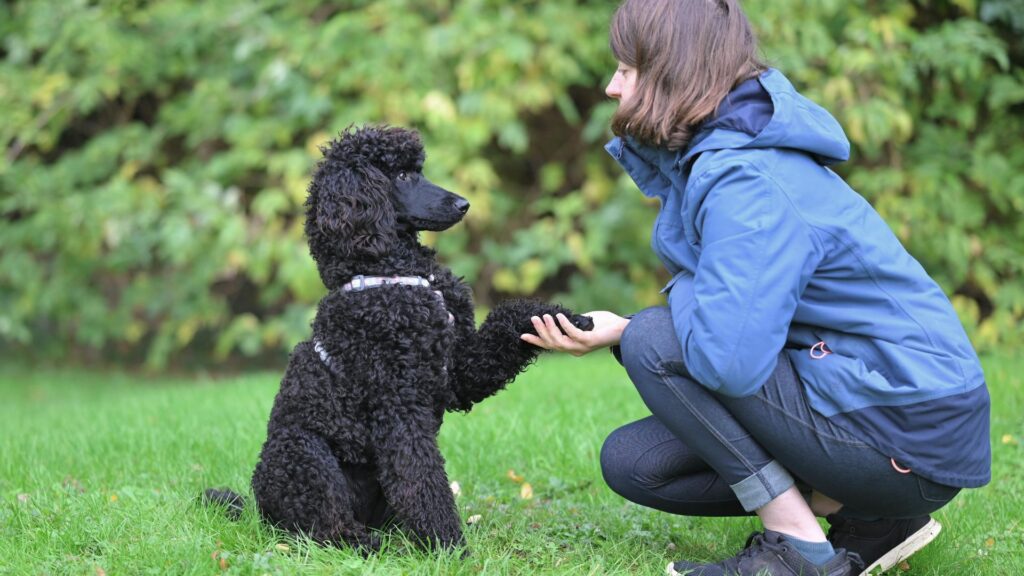
A guide for the first 90 days with your puppy
So you just brought home a puppy. Congratulations, this is where it all gets real. The first 90 days with your new puppy are not just for the cute factor; this is the time to build the dog you want so you don’t regret it later. The next 90 days are the critical foundation that will determine your dog’s long-term behavior, confidence, and relationship with you. This is the window where your puppy forms habits, associations, and expectations of what you have. We suggest a well-thought-out structured approach to raise your puppy into a well-adjusted adult. This guide will outline the first three months based on practices and training principles emphasized at Alaska Dog Works.
Day One – Fifteen: Establish Structure and Predictability
Why routine matters
Dogs thrive in predictable environments no matter their age. It is crucial to set a consistent daily routine from the moment you get home with your new puppy. A daily routine helps to reduce stress, accelerate learning, and prevent problematic behaviors.
On day one you should establish:
- Where and what time their meals are
- Where they should use the bathroom
- Play and training schedule
- Sleep schedule and location
An immediate setup of routine creates clarity and quicker learning for your puppy. When a puppy is taken to potty at the same time each day, to the same spot every time, they are able to catch on to this training much quicker than if you take them to potty sporadically and all over your yard.
The First Training Priorities
Name recognition is not just an identifier; it is the foundation for attention and responsiveness.
- Reinforce recognition. Say the name once and get very happy and excited when they look at you upon hearing it; immediately reward and praise with food and pets.
- Avoid negative association. Do not pair your puppy’s name with yelling, corrections, or punishment
- Delay nicknames. Multiple names early on can slow down recognition and open the door for your puppy to learn to ignore their given name easier.
Strong name recognition makes future training and developmental stages more efficient and provides lasting, reliable engagement.
Calm Behavior in Early Development
One of the most overlooked elements in training your new puppy is teaching calmness. Puppies do not naturally understand how to self-regulate; they learn this through continued reinforcement.
Behaviors that should be rewarded
- Relaxing quietly in a crate, on their bed, or on the floor
- Settling near you without demanding attention
- Sitting or waiting patiently for food, water, and attention
- Remaining calm when observing life
Behaviors that should not be rewarded
- Jumping or scratching for attention
- Barking, whining, screaming
- Forcing themselves into your lap or onto furniture
- Overexcitement during transitions
Puppies repeat behaviors that gave them a positive outcome. When calm behavior consistently earns them rewards and attention, it becomes the default response.
Day Fifteen – Forty-Two: Strengthen Habits and Introduce Skills
As puppies learn to understand what to expect with their environment and routine, training can start to focus on short, positive learning sessions that build confidence and engagement.
Small age-appropriate goals for this stage include
- Full name recognition
- Introduction to recall foundations
- Basic obedience behaviors such as “sit” and “down”
- Collar and leash exposure.
- Comfort with handling and gentle restraint
Training sessions should remain brief and positive. The early stage is not about perfection but instead the understanding developed with patience.
Day forty-three – ninety Generalization and Consistency
In the final phase of the first 90 days, puppies should begin to consistently practice their skills in gradually more distracting environments while maintaining the same reinforcement standards.
At this stage, puppies should
- Respond to their name consistently
- Follow their daily routine
- Understand what behaviors win rewards
- Demonstrate emerging obedience skills
Consistency is always essential. Reinforcement of rules should not change based on your mood or the situation. Puppies don’t learn from just being told “no”; they learn from clear feedback. Every interaction is a teaching moment for your puppy to learn what works and what doesn’t. Wanted behaviors are rewarded, and bad behaviors are redirected to a wanted skill and rewarded when followed. Clear expectations, no matter the environment, create confidence and resilience.
The first 90 days with a new puppy are an investment. When structure, routine, calm behavior, and reinforcement clarity are prioritized early, owners set the stage for a time frame of success. Intentional training during this period does not require intensity; instead, it requires consistency, awareness, and follow-through. When done correctly, the result is a dog who is easier to live with and to train and is better equipped to navigate the world.
If you’re searching for puppy training, dog obedience training, or behavior support in your area, our experienced trainers specialize in helping new puppy owners establish structure, calm behavior, and reliable communication during the most important developmental window.
Contact us today to learn about our puppy programs.
Where to Listen to Dog Works Radio

Dr. Robert Forto
is Alaska Dog Works’ training director.

Michele Forto
is the lead trainer for Alaska Dog Works.
Subscribe to the Dog Works Radio podcast, and check out The Pack newsletter, delivered straight to your inbox.
If you purchase through our links, Alaska Dog Works may earn a commission. Prices were accurate at the time of publication but may change.
We offer a FREE Strategy Call.
Click on the graphic to learn more



Read More