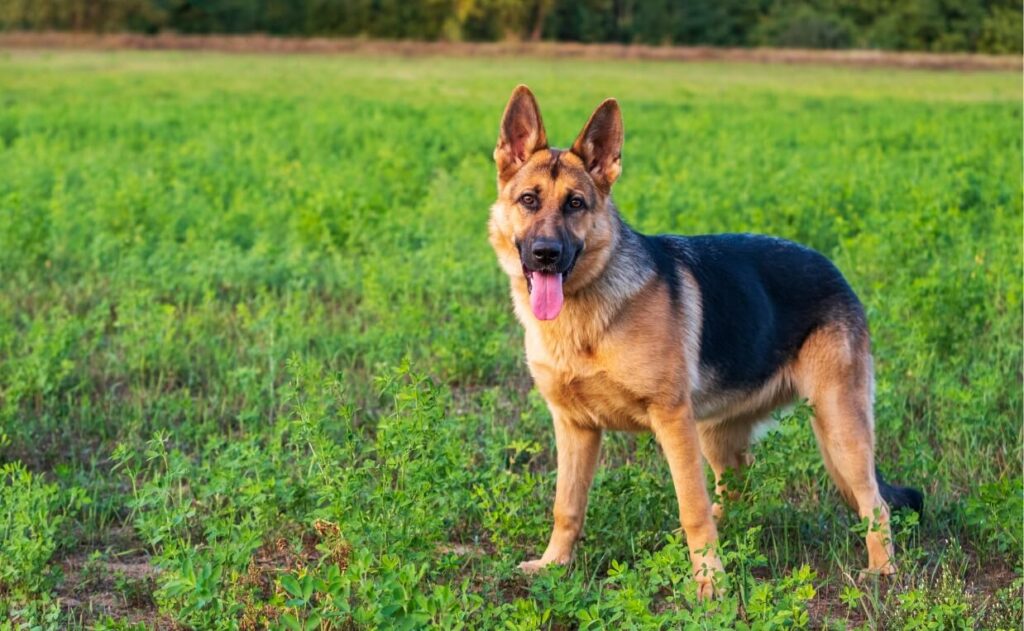
The dog sat in the kitchen when asked. Come worked across the living room. “ Let’s Go” held on the quiet road in front of the house for the first few steps. Then the door opened. A raven hit the alder. Another dog appeared at the trailhead. Three trucks pulled into the parking area at once. The same cues produced nothing. The handler repeated the word. Then said it louder. The dog kept moving. The family had started leaving the dog home because the outing had become a fight.
They asked why the dog “knows” the commands and still ignores them outside. The short answer: the dog knows the commands in one place. Outside, the skills have not been taught to hold when the environment gets interesting.
That is the gap most families are living with. That gap must be closed before the dog can be included in ordinary life.
Why Skills Do Not Travel Automatically
Dogs do not generalize the way people do. A person who learns to ride a bicycle in the driveway can usually ride it on a different street without starting over. A dog that learns Sit in the kitchen does not automatically understand that Sit means the same thing at the trailhead, next to a shopping cart, or when another dog is present. The skill is tied to the place, the level of distraction, the handler’s attention, and what happens after the cue in that environment.
Outside the house the environment is different. Smells are stronger. Movement is constant. Other dogs, people, wildlife, and sudden noise compete for attention. Arousal is higher. The interesting thing often pays better than the cue if the interesting thing has been allowed to win before. The dog is not being stubborn. The dog is responding to what has worked.
Real-world reliability is the standard Alaska Dog Works already uses. A behavior is not finished because it can be performed in a lesson. It is finished when it can be performed at home, in public, around distractions, around unfamiliar people, around unfamiliar dogs, in new environments, and under moderate stress. Most of the “doesn’t listen outside” problem is simply unfinished proofing.
The Same Cues, Practiced Where They Have to Work
The official Alaska Dog Works command sheet is the vocabulary. COME is the recall. STAY is the stay. LET’S GO is the walking position that prevents pulling. LOOK is the attention cue that helps the dog choose the handler. BREAK is the release. LEAVE IT means do not touch or investigate. The dog does not need a different set of words for outside. The dog needs to practice the same words until they hold outside.
Most of the friction lives in a few predictable places. Come that works in the kitchen and vanishes when a raven flies. Stay that holds while the handler watches and ends the moment the handler turns. Let’s Go that holds on the quiet road and collapses when another dog appears. The household repeats the cue or changes the word so the first one doesn’t count. The household that only practices where nothing interesting is happening.
None of those are disrespect. They are training gaps. The fix is not a louder voice or a new word. The fix is the same cue, said once, followed through, and practiced in a place one step harder than the last place the skill held.
How to Close the Gap Without a Fight
Start where the dog can succeed and add one variable at a time. If Come is solid in the kitchen, practice it in the driveway with mild distractions. If Stay holds while the handler stands still, practice it while the handler turns and takes one step. If Let’s Go holds on the quiet road, practice short segments at a quiet trailhead before the Saturday crowd arrives. Five or ten minutes of clean work in a slightly harder place teaches more than a long outing where the dog practices ignoring the cue.
Protect the cue. Say it once. If the dog does not respond, help the dog succeed: use a long line for Come, calmly reset a Stay, stop, and wait for slack on Let’s Go. Do not repeat the word and do not change it. Reward the response the dog actually wants. Release with BREAK when the structured work is over so the dog learns that responding does not always end the good thing. Never call the dog to punish it.
Use management while building the skills. A long line keeps the dog safe for recall practice. A fenced area is better than an open trail until Come holds. Short sessions beat long arguments. If the dog cannot hold the skill, the place is too hard. Go back one step, get the skill solid again, and return later.
In Alaska the places that matter are ordinary. The yard when a raven flies. The driveway when another dog appears. The trailhead on a Saturday. The sidewalk in front of the post office. The parking lot at the hardware store. A skill that only works in the kitchen has not finished the job. A skill that holds in those ordinary places is the one that lets the family stop leaving the dog home.
What Changes When the Skills Travel
The handler stops repeating the word. The dog stops treating the first cue as optional. The family can take the dog to more places because the skills are no longer a maybe. The same standard shows up in the Canine Good Citizen and Community Canine work because those programs ask for the practical skills to hold outside the ring. The process is the same: clear criteria, predictable consequences, and consistency from every person in the house.
It takes time. The dog will test the rule when something interesting appears. That is not a failure. It is information. Over days and weeks, the dog learns that the cues mean the same thing outside as they do in the kitchen.
If your dog listens in the house and ignores the same cues the moment the door opens, the next step is not a busier place. It is a clear look at which skills still need work in easier places and a plan to practice them one variable at a time.
Ready to see where the skills still break outside? Book a Strategy Call, and we will map the specific gaps between the kitchen and the trailhead. Visit AlaskaDogWorks.com or call the office. The next right step is the one that gets the work started this week.
Related Articles
- AKC Canine Good Citizen: Why Every Dog Should Earn This Important Certification
- AKC Community Canine (CGCA): Taking Your Dog’s Training Beyond Basic Obedience
- How to Prepare Your Dog for Public Access Training
- Loose Leash Walking: Stop Pulling Once and For All
- Recall Training: Teaching a Reliable Come Command
- Leadership Stays: Building Calmness and Impulse Control
- Why Your Dog Doesn’t Listen Outside
- Understanding Dog Reactivity and How to Address It
- Rescue Dog Training: Building Confidence After Adoption
- The Importance of Socialization for Puppies
- Service Dog Training: What It Really Takes
- Therapy Dogs vs. Service Dogs: Understanding the Difference
- Common Dog Training Mistakes Owners Make
- Why Consistency Matters More Than Commands
- The Truth About Positive Reinforcement Dog Training
Where to Listen to Dog Works Radio

Dr. Robert Forto
is Alaska Dog Works’ training director.

Michele Forto
is the lead trainer for Alaska Dog Works.
Subscribe to the Dog Works Radio podcast, and check out The Pack newsletter, delivered straight to your inbox.
If you purchase through our links, Alaska Dog Works may earn a commission. Prices were accurate at the time of publication but may change.
We offer a FREE Strategy Call.
Click on the graphic to learn more


Read More

Choosing the Right Path: Private Lessons vs. Board and Train for Dog Training Success