Great Family Dogs Aren’t Born. They’re Raised Alongside Great Families.
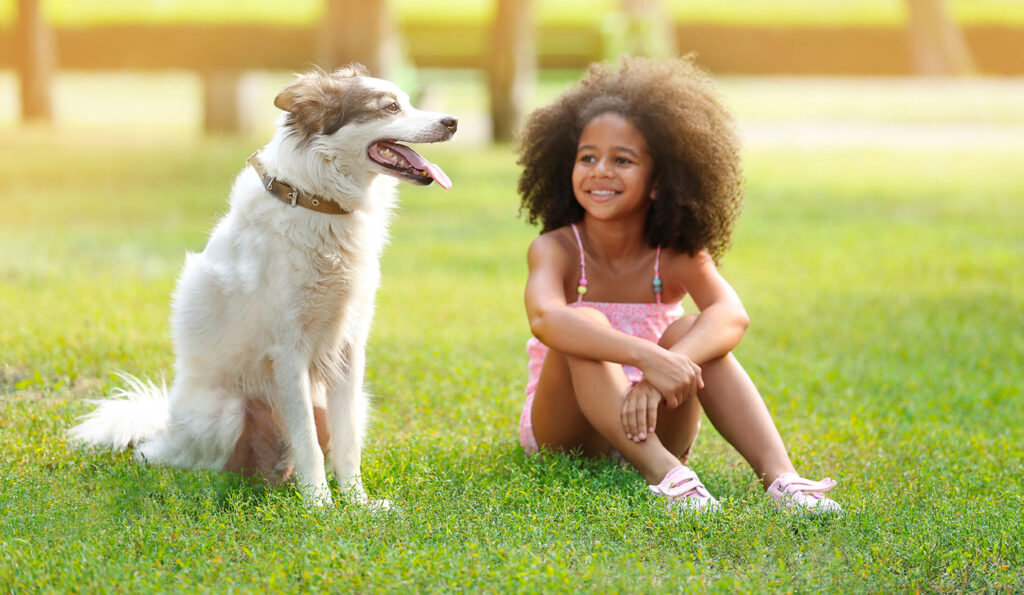
One of the most rewarding parts of sharing your home with a dog is watching the relationship that develops between the dog and your children. Ask almost any adult about their favorite childhood memories, and there’s a good chance a family dog is part of the story. They remember a loyal companion waiting by the school bus, a patient friend curled up beside them while they read a book, or the dog that never left their side during difficult moments. Those relationships often become some of the most meaningful friendships a child experiences growing up.
What many people don’t see are the months and years of guidance that helped create those memories. The calm dog that patiently sits beside a toddler wasn’t simply born that way. The child who understands how to approach, pet, and respect a dog wasn’t born with those skills either. Strong relationships between children and dogs don’t happen by accident. They are built intentionally through training, supervision, communication, and countless everyday interactions that teach both the dog and the child how to succeed together.
At Alaska Dog Works, we’ve worked with hundreds of families who want exactly that kind of relationship. They don’t simply want a dog that obeys commands. They want a trusted companion who becomes part of family life, someone their children can grow up with safely and confidently. Achieving that goal requires more than teaching the dog. It requires teaching the entire family.
Dogs and Children Speak Different Languages
One of the biggest reasons misunderstandings occur between children and dogs is because they’re communicating in completely different ways. Young children often express excitement physically. They run toward things they love, hug tightly, squeal with excitement, wave their arms, and move unpredictably. Dogs, on the other hand, communicate primarily through body language. They pay attention to posture, movement, facial expressions, personal space, and subtle changes in behavior that many people never notice.
Imagine how confusing it can be for a young dog when a toddler suddenly wraps both arms around their neck, leans over their face, or reaches toward a favorite toy while laughing loudly. The child believes they’re showing affection. The dog may feel trapped, startled, or uncertain. Neither one has bad intentions. They’re simply interpreting the situation through completely different perspectives.
This is why supervision is so important, especially during the early years. Adults act as translators, helping children understand what the dog is communicating while helping the dog experience children in ways that build confidence rather than uncertainty. Over time, both begin learning how to communicate with one another more successfully.
Teaching Children Is Just as Important as Teaching Dogs
When families think about dog training, they usually picture the dog learning new behaviors. Sit. Stay. Come. Walk politely on a leash. Those skills are certainly valuable, but they’re only half of the equation when children are involved.
Children also need to learn.
They need to understand that dogs deserve personal space when they’re sleeping, eating, chewing on a favorite toy, or resting in their crate. They should learn that pulling ears, climbing on dogs, hugging tightly around the neck, or disturbing a resting dog isn’t kind, even if the dog appears tolerant. They also need to recognize that dogs have feelings, preferences, and boundaries just as people do.
These lessons don’t need to create fear. In fact, they accomplish exactly the opposite. When children understand how to interact respectfully with dogs, they become more confident because they know what to expect. Likewise, dogs become more relaxed because the people around them behave in ways they can understand.
Respect grows naturally when both sides learn how to communicate.
Training Creates Shared Experiences
One of the best ways to strengthen the relationship between children and dogs is by allowing them to learn together. Age-appropriate participation in training gives children an opportunity to become part of the dog’s daily education while teaching responsibility, patience, and consistency.
A young child might help toss treats after the dog sits politely. An older child can practice asking the dog to come when called in the backyard or help reinforce loose leash walking during family walks. Teenagers often become active participants in daily routines, helping maintain consistency across the household.
These moments accomplish much more than teaching obedience. They help children understand that good behavior doesn’t happen by magic. It develops because someone invests time, patience, and clear communication. Dogs, in turn, begin associating children with positive experiences, predictable interactions, and rewarding outcomes.
The relationship stops being one-sided.
Instead of children simply enjoying the dog, both begin working together as partners.
Calm Adults Raise Calm Dogs and Confident Kids
Dogs pay close attention to the emotional tone of a household. If adults react to every problem with frustration, shouting, or inconsistency, dogs often become uncertain because they struggle to predict what will happen next. Children notice those patterns as well.
The opposite is also true.
When adults respond calmly, provide clear expectations, and guide both the dog and the child with patience, everyone benefits. Dogs learn more effectively because communication is consistent. Children gain confidence because they see problems solved through guidance instead of anger. The entire household begins developing routines that create trust rather than confusion.
This doesn’t mean families never experience difficult moments. Every puppy chews something they shouldn’t. Every child occasionally forgets the rules. Every dog has days when they’re distracted or overly excited. What matters most is how those moments are handled.
Families who remain patient and consistent during challenges usually build stronger relationships than those who expect perfection.
A Family Dog Needs Time Away From the Family Too
One of the most overlooked aspects of raising children and dogs together is recognizing that dogs also need opportunities to rest without interruption. Many owners assume that because a dog loves children, they should always be available to interact with them. In reality, even the friendliest dogs benefit from quiet time.
Providing a comfortable place where the dog can relax without being disturbed teaches an important lesson to everyone involved. The dog learns they have a safe place to recharge. Children learn that loving someone also means respecting their need for space.
This is one reason crate training and designated resting areas can be so valuable. They aren’t used to isolate the dog from family life. Instead, they provide the dog with a predictable retreat where they can rest comfortably before rejoining household activities.
Respecting those quiet moments helps prevent stress from building and allows interactions to remain positive when the family comes together again.
The Holidays Put These Relationships to the Test
One reason we’re discussing this topic as part of our Christmas in July series is because the holiday season brings together exactly the situations that challenge relationships between children and dogs. Grandchildren visit from out of town. Cousins who rarely spend time together fill the house with energy. Gifts, decorations, unfamiliar routines, and excited conversations create an environment that’s very different from everyday life.
Dogs that have spent the year learning calm behavior, polite greetings, and how to settle during busy moments generally handle these changes with far greater confidence. Children who understand how to include the dog respectfully in family celebrations also contribute to a calmer environment.
Those holiday memories don’t begin in December.
They’re built during ordinary summer afternoons, quiet evenings after dinner, and everyday opportunities where children and dogs learn to trust one another one interaction at a time.
The Goal Is a Lifetime of Trust
The relationship between a child and a dog has the potential to last for many years. During that time, the dog may witness first days of school, birthday celebrations, family vacations, graduations, and countless ordinary moments that eventually become treasured memories. Those experiences are strengthened when the relationship is built on mutual trust rather than constant correction or misunderstanding.
At Alaska Dog Works, we believe successful dog training has never been just about teaching dogs. It’s about helping families live better together. When children understand dogs, dogs understand children, and parents provide thoughtful leadership, remarkable things happen. Dogs become more confident. Children become more compassionate. Families become more connected.
If you’re raising children and a dog together, remember that every interaction matters. The conversations you have, the routines you establish, and the lessons you teach today are shaping the relationship your family will enjoy for years to come. There are few investments more valuable than creating a home where children and dogs grow up respecting, trusting, and genuinely enjoying one another.
If you’d like help building a stronger relationship between your children and your dog, schedule a training evaluation with Alaska Dog Works today. Together, we’ll create a plan that helps every member of your family succeed, on two legs and four.
Where to Listen to Dog Works Radio

Dr. Robert Forto
is Alaska Dog Works’ training director.

Michele Forto
is the lead trainer for Alaska Dog Works.
Subscribe to the Dog Works Radio podcast, and check out The Pack newsletter, delivered straight to your inbox.
If you purchase through our links, Alaska Dog Works may earn a commission. Prices were accurate at the time of publication but may change.
We offer a FREE Strategy Call.
Click on the graphic to learn more



Read More