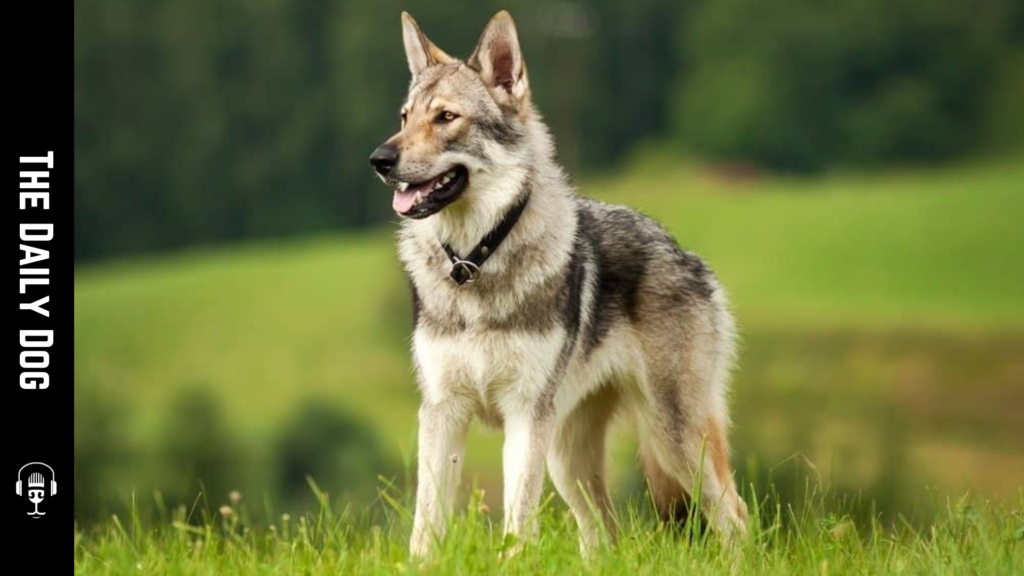
The Saarloos Wolfdog (Wolfhond) does not make a casual first impression. It stops people in their tracks. With wolf-like eyes, long legs, and a quiet, watchful presence, this is a breed that looks like it stepped out of another age. That appearance creates many assumptions, most of which are wrong. The Saarloos Wolfdog is not a wild animal in your living room, nor is it a typical family dog with a dramatic coat. It is a highly sensitive, deeply perceptive companion that asks far more from its owner than most breeds ever will.
Where the Breed Began
The Saarloos Wolfdog was developed in the Netherlands by breeder Leendert Saarloos during the 1930s. He crossed a German Shepherd with a European wolf to create a stronger, more natural working dog. What emerged instead was something different: a dog with pronounced instinct, caution, intelligence, and independence. The breed was later recognized in Europe and remains uncommon in many parts of the world.
What Living With One Is Actually Like
The Saarloos Wolfdog is often described as reserved, and that is accurate, but incomplete. These dogs are thoughtful. They tend to assess situations before reacting. They may hold back with strangers, dislike forced greetings, and prefer space over chaos. With their trusted people, however, they can be exceptionally devoted.
This breed notices everything. Tone of voice, tension in the room, inconsistency in routine, and nervous energy from the handler. They read environments quickly and respond accordingly. That sensitivity can be beautiful in the right hands and difficult in the wrong ones.
Training Is a Relationship, Not a Contest
Many owners fail with this breed because they try to dominate it or rush it. The Saarloos Wolfdog usually does not respond well to pressure-based methods. Force often creates avoidance, stress, or shutdown behavior. Progress comes through patience, predictability, and trust.
Short sessions, calm repetition, reward-based methods, and clear routines tend to work best. Think guidance, not control. Think partnership, not power struggle.
Exercise Needs More Than a Backyard
A fenced yard is useful, but it is not enough. This breed needs movement, exploration, and mental engagement. Long walks, hiking, scent games, structured adventures, and time in nature suit them well. Repetitive boredom does not.
They are not typically dogs that thrive in loud, crowded, overstimulating lifestyles. Many do better in homes with space, a sense of rhythm, and owners who enjoy being outdoors.
Grooming and Daily Care
The Saarloos Wolfdog has a dense double coat that sheds seasonally and needs regular brushing, especially during coat blows. Beyond grooming, the bigger care need is emotional stability. These dogs often do best when life is predictable and handled with calm leadership.
Who Should Own One?
This is not the breed to choose because you want something rare or because it looks impressive on social media. That mindset usually ends badly. The Saarloos Wolfdog is best suited to experienced owners who respect canine behavior, understand sensitive temperaments, and value connection over compliance.
For the right person, this breed can feel profound. For the wrong person, it can feel impossible. That honesty matters more than the mystique.