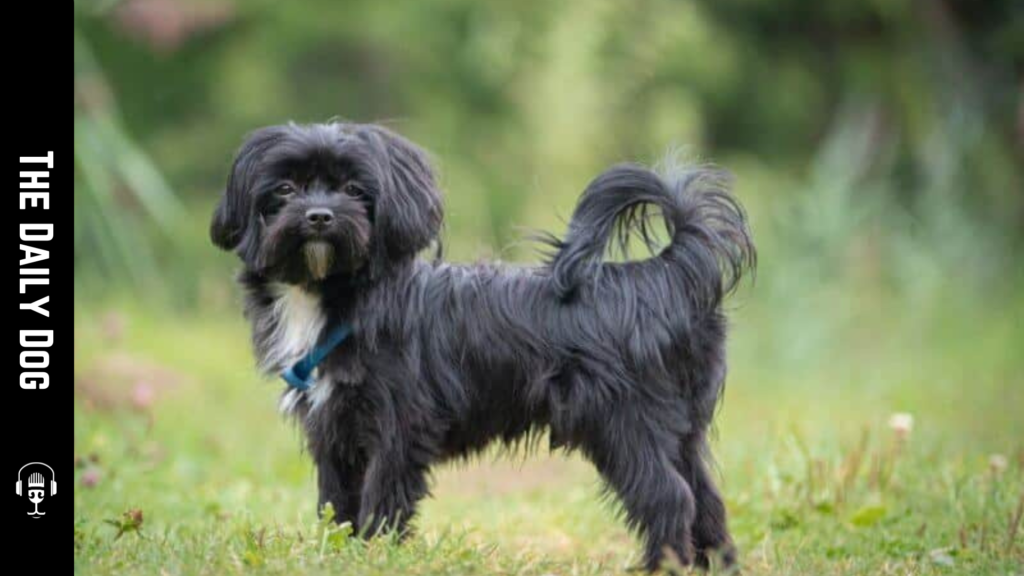
The Russian Tsvetnaya Bolonka, often simply called the Bolonka, is a small, affectionate watchdog with a rich history and a vibrant personality. Bred in Russia, this multicolored variety of Bolonka is known for its expressive coat, buoyant energy, and an almost unwavering devotion to its family. If you’re seeking a companion that combines playful charm with a mellow, loyal demeanor, the Tsvetnaya Bolonka deserves thoughtful consideration. Here’s a closer look at what makes this breed stand out, from temperament and care to training and lifestyle fit.
Temperament and Family Compatibility
At the heart of the Russian Tsvetnaya Bolonka lies a temperament built for family life. These dogs are often described as joyful, people-oriented, and quietly confident. They tend to form strong bonds with their family members and thrive in environments where they receive regular interaction, gentle guidance, and positive reinforcement. Bolonkas are typically good with children when socialized from an early age, though their small size means supervision is prudent during play with very young kids.
One of the Bolonka’s most endearing traits is its balanced demeanor. While they are lively and alert, they are not typically overly boisterous. Instead, they demonstrate a steady curiosity about their surroundings and a readiness to engage in affectionate play or settle in for a cozy cuddle. This temperament translates into a dog that adapts well to a variety of living situations, including apartment living, as long as their physical and mental needs are met.
Coat, Appearance, and Care
The Tsvetnaya Bolonka is distinguished by a dense, wavy coat that comes in a striking variety of colors, often with a mix that gives each dog a unique, almost painterly appearance. The coat demands regular grooming to prevent matting and to maintain the breed’s characteristic fluffy, teddy-bear look. Brushing several times a week helps minimize shedding and keeps skin healthy by distributing natural oils. Periodic bathing is typically sufficient unless the dog has rolled in something particularly intriguing or messy.
Besides brushing, routine care includes ear cleaning, dental hygiene, and nail trimming. Because Bolonkas have a moderate to low grooming burden compared with some other small breeds, they can be a practical choice for owners who want a visually appealing dog without an excessive grooming schedule. A well-groomed Bolonka not only looks charming but also reflects the care and attention they receive from their household.
Exercise and Mental Stimulation
Despite their compact size, Bolonkas are surprisingly active and agile. They enjoy daily walks, play sessions, and opportunities to explore safely off-leash in secure areas. Consistent physical activity helps prevent weight gain and supports joint health, but Bolonkas also benefit from mental challenges. Puzzle toys, scent games, and training sessions that emphasize problem-solving help keep their intelligent minds sharp and can prevent boredom-related behavior.
A balanced routine typically includes a mix of moderate exercise and deliberate training moments. Short training sessions that reinforce commands through positive reinforcement, praise, treats, and affection, are effective with Bolonkas because they respond well to encouragement and clear feedback. Because this breed can be endearingly perceptive, owners should establish consistent boundaries and routines to foster confidence and reduce any tendency toward fussiness or anxiety.
Trainability and Socialization
The Russian Tsvetnaya Bolonka is generally intelligent and eager to please, traits that support successful training when approached with patience and consistency. Early socialization is crucial to expose the puppy to a variety of people, environments, and other dogs. Positive experiences help prevent shy or overly reserved behavior later on and encourage the dog to approach new situations with curiosity rather than fear.
House training can be straightforward when a reliable schedule is established and reinforced with positive methods. Because Bolonkas respond well to gentle, consistent leadership, dog owners should focus on bite inhibition, impulse control, and basic obedience from a young age. Regular training sessions that are short, engaging, and rewarded tend to yield the best long-term outcomes.
Health Considerations and Longevity
The Bolonka breed, including the Tsvetnaya variety, tends to enjoy robust health when housed in a healthy environment and given preventative care. As with many small breeds, it is wise to schedule regular veterinary checkups, keep up with vaccines and parasite prevention, and monitor dental health. Some Bolonkas may be prone to specific hereditary conditions, so consulting with a reputable breeder who performs health testing can reduce risk.
A well-cared-for Bolonka often enjoys a commendable lifespan, commonly ranging into the mid to high teens in years. Maintaining a healthy weight, providing regular exercise, and ensuring mental engagement all contribute to a longer, more vibrant life. If you’re considering this breed, discuss any concerns about inherited conditions with a veterinarian and a responsible breeder to set realistic expectations and plan for preventive care.
Living Arrangements and Environment
The Russian Tsvetnaya Bolonka adapts well to various living situations, including apartments and single-family homes. Because of their affectionate nature and desire for companionship, they may not thrive when left alone for long stretches. Prospective owners should ensure they can offer daily companionship, regular play, and mental engagement to prevent separation anxiety. A secure yard or nearby safe outdoor space can enhance enrichment opportunities, but social interaction and indoor companionship remain essential.
Grooming and Hygiene Practices
Grooming routines for the Bolonka are a combination of routine brushing, occasional trimming, and careful attention to ears and teeth. With regular brushing several times per week, owners can help reduce shedding and keep the coat looking its best. Occasional professional grooming might be desirable to maintain coat health and achieve a tidy silhouette. Routine dental care, including brushing the dog’s teeth and offering dental chews, supports overall health and comfort.
Nutrition and Diet
A balanced diet tailored to size, age, activity level, and health status contributes to overall well-being. High-quality dog foods that align with the dog’s stage of life—puppy, adult, or senior—are important. Portion control helps manage weight, and fresh water should always be available. Treats can be used strategically during training, but it’s wise to monitor calorie intake to prevent overfeeding. If your Bolonka has any dietary sensitivities or health concerns, a veterinarian can help you select an appropriate diet.
Choosing a Breeder or Adoption Path
When selecting a Bolonka, sourcing a responsible breeder who performs health testing and provides clear lineage information is essential. Alternatively, adoption can be a wonderful path to bring this breed into your home. Regardless of the route chosen, asking about temperament, socialization histories, and any known health issues helps ensure the dog’s needs align with your lifestyle. A thoughtful approach to sourcing contributes to a healthier, happier dog and a more confident owner.
Travel, Social Life, and Compatibility
Bolonkas travel well in many situations and enjoy rest times during road trips or family vacations. Their adaptable nature makes them excellent companions for active households, as well as for those who appreciate a calmer, cuddly partner for downtime on weekends. As with any dog, socialization remains a key factor in ensuring compatibility with other pets, visitors, and new environments. Positive exposure to a variety of people and settings from a young age helps Bolonkas feel secure and confident away from home.
Economic and Practical Considerations
For families weighing the investment of time and money, Bolonkas offer a relatively reasonable maintenance profile compared to some other small breeds. Routine grooming, vet visits, and quality food all contribute to ongoing costs, but the breed’s size often translates to lower expenses in certain areas, such as exercise equipment and space requirements. When budgeting for a Bolonka, consider potential costs of training, socialization classes, and preventive care to support a well-rounded, happy dog.
A Breed That Brings Joy and Companionship
The Russian Tsvetnaya Bolonka stands out for more than its eye-catching coat. Its affectionate, intelligent, and adaptable nature makes it a wonderful addition to many homes. With a gentle approach to training, emphasis on positive reinforcement, and a commitment to consistent socialization, this breed can flourish as a loyal family member. For those who want a bright, engaging companion that blends charm with sensitivity, the Bolonka offers a compelling option worth considering.
Call to Action
If you’re seeking practical training insights and expert perspectives from top trainers who have worked with thousands of clients, listen to Dog Works Radio. Hear training tips and tricks that have proven effective across diverse dogs and households at https://dogworksradio.com.
We offer a FREE Strategy Call.
Click on the graphic to learn more



Read More