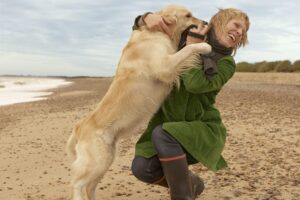
Being Busy Doesn’t Mean You Can’t Have a Well-Trained Dog
One of the biggest misconceptions about dog training is that it requires endless hours of free time. Many working professionals believe they simply don’t have the schedule to raise a well-mannered dog. Between demanding careers, long commutes, children’s activities, household responsibilities, and everything else life brings, training often feels like one more task competing for limited time. It’s no surprise that many families postpone training, hoping life will slow down before they get serious about it.
The reality is that life rarely becomes less busy.
If anything, careers become more demanding, children become more involved in activities, and calendars fill even faster. Waiting for the “perfect” time to train your dog often means waiting indefinitely. The encouraging news is that successful dog training isn’t about finding extra hours in your week. It’s about making better use of the time you already spend with your dog.
Your Dog Doesn’t Know You’re Busy
Dogs don’t understand work deadlines, conference calls, business travel, or after-school activities. What they do understand is consistency.
Your dog learns from every interaction you have together, whether you realize it or not. They learn when you walk through the front door after work. They learn during morning routines, evening walks, mealtimes, and weekends spent together. Every interaction reinforces behaviors, both good and bad.
From your dog’s perspective, there is no difference between “training time” and “regular life.” Every moment is an opportunity to learn something.
That realization changes everything.
Instead of trying to find additional time for training, successful owners learn to incorporate training into the routines they already have.
Small Moments Create Big Results
Many people imagine training as a thirty- or sixty-minute session that requires complete focus. While dedicated training sessions certainly have value, they’re only one piece of the puzzle.
Some of the most effective training happens in moments that last less than a minute.
Ask your dog to sit before putting down their food bowl.
Practice waiting politely before opening the front door.
Reward your dog for coming when called in the backyard.
Ask for a down-stay while you prepare dinner.
Reinforce calm behavior while you’re answering emails or watching television.
Individually, these moments seem insignificant. Collectively, they create hundreds of successful repetitions every week. Those repetitions become habits, and those habits become the well-mannered behavior every family hopes for.
Consistency Always Beats Intensity
Working professionals often feel guilty because they can’t devote large blocks of time to training. In reality, consistency matters far more than duration.
A dog that practices good behavior for five minutes every day will often make more progress than a dog that participates in a long training session once each weekend.
Dogs learn through repetition and predictability. They thrive when expectations remain the same from one day to the next. Short, focused sessions fit naturally into busy schedules while providing frequent opportunities for success.
Think of training the same way you think about physical fitness. A consistent routine produces far better results than occasional bursts of effort followed by long periods of inactivity.
Structure Gives Dogs Confidence
One of the greatest gifts busy families can give their dogs is a predictable routine.
Dogs don’t need every day to look exactly the same, but they do benefit from knowing what to expect. Regular feeding times, scheduled walks, opportunities for exercise, mental enrichment, and periods of quiet rest help dogs feel secure.
This predictability also makes training easier because your dog begins anticipating opportunities to engage with you. Instead of wondering what comes next, they develop confidence in the daily rhythm of family life.
Ironically, structure often reduces the amount of management a busy owner has to do because the dog understands the routine and settles more easily.
Mental Exercise Is Just as Important as Physical Exercise
Busy professionals often believe the solution to behavior problems is simply giving their dog more physical exercise. While regular activity is important, it isn’t the complete answer.
Many high-energy dogs can run for miles and still come home ready for more.
Mental exercise, however, challenges a dog in a completely different way.
Learning new skills, solving food puzzles, practicing obedience, searching for hidden treats, or working through simple problem-solving exercises requires concentration and self-control. These activities help satisfy a dog’s natural desire to learn while strengthening the bond between dog and owner.
A mentally engaged dog is often calmer than a physically exhausted one.
Training Makes Busy Lives Easier
Some people view training as another responsibility added to an already crowded schedule.
In reality, training removes stress from everyday life.
A dog that walks politely on a leash makes morning walks enjoyable instead of frustrating.
A reliable recall allows for safer outdoor adventures.
A dog that greets visitors calmly creates a more welcoming home.
A dog that settles quietly while you work from home becomes a companion instead of a distraction.
Training isn’t something that competes with your lifestyle.
It’s something that improves it.
The time invested today often saves countless hours of frustration over the years that follow.
Professional Training Accelerates Progress
Busy professionals understand the value of working with experts.
Whether it’s hiring an accountant, working with a financial advisor, or partnering with a coach, experienced guidance often produces better results while saving valuable time.
Dog training is no different.
Professional trainers help families avoid common mistakes, create realistic goals, and develop efficient training plans that fit their lifestyle. Rather than spending months trying to solve problems through trial and error, families receive a structured approach designed to build lasting success.
The goal isn’t replacing the owner’s involvement.
It’s making that involvement more effective.
Preparing for the Holidays Starts Long Before the Holidays
One reason we’re celebrating Christmas in July is that busy professionals understand the importance of planning ahead.
No one waits until Christmas Eve to begin shopping for gifts.
The same principle applies to dog training.
If you’d like your dog to greet holiday guests politely, settle during family dinners, travel confidently, or remain calm amid the excitement of the season, those skills should begin developing months before Thanksgiving arrives.
Starting now allows your dog to learn gradually while fitting naturally into your existing routine. By the time the holidays arrive, the behaviors you’re hoping for will already feel familiar to both you and your dog.
How Alaska Dog Works Helps Busy Families Succeed
At Alaska Dog Works, we know your schedule is already full. That’s why our training programs are designed to complement your life rather than complicate it. Whether you choose private lessons, board-and-train, or one of our puppy development programs, our goal is to provide practical solutions that work in the real world.
We don’t expect you to become a professional dog trainer.
We teach you how to become a confident dog owner.
Our programs focus on building communication, strengthening relationships, and creating everyday habits that fit naturally into busy family life. The result is a dog that understands what’s expected and a family that enjoys spending time together, whether it’s a quiet evening at home or a house full of holiday guests.
Your Schedule Doesn’t Have to Be the Reason Your Dog Falls Behind
Being busy isn’t the obstacle many people think it is. In fact, some of the most successful dog owners we work with are professionals balancing demanding careers, active families, and full calendars. Their success comes from understanding that training isn’t another item on the to-do list. It’s a way of approaching everyday life with intention, consistency, and clear communication.
If you’ve been waiting for life to slow down before investing in your dog’s training, consider this your reminder that the best time to begin isn’t when your schedule becomes perfect. It’s when you’re ready to make small, consistent changes that produce lasting results.
Schedule your training evaluation with Alaska Dog Works today, and discover how professional training can fit seamlessly into your busy life while preparing your dog for the holidays and beyond.
Where to Listen to Dog Works Radio

Dr. Robert Forto
is Alaska Dog Works’ training director.

Michele Forto
is the lead trainer for Alaska Dog Works.
Subscribe to the Dog Works Radio podcast, and check out The Pack newsletter, delivered straight to your inbox.
If you purchase through our links, Alaska Dog Works may earn a commission. Prices were accurate at the time of publication but may change.
We offer a FREE Strategy Call.
Click on the graphic to learn more



Read More