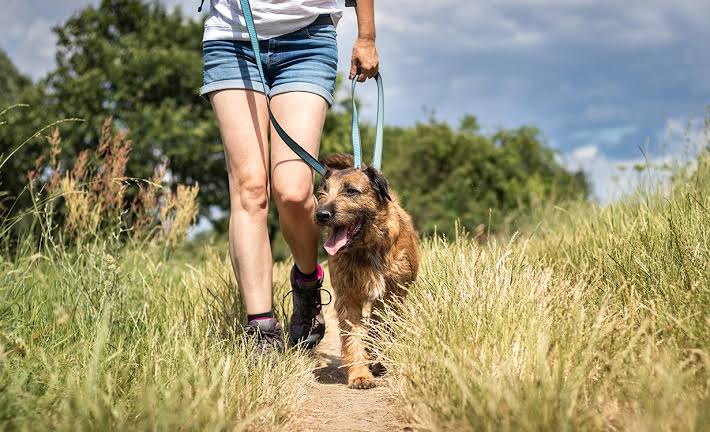
Every Walk Should Be Something You Look Forward To
For many people, bringing a dog into the family comes with a simple picture in their mind. They imagine peaceful walks through the neighborhood on cool mornings, weekend strolls along local trails, afternoons exploring parks together, or evenings unwinding after work with their faithful companion by their side. Those quiet moments are often part of the reason people decide to get a dog in the first place. Walking together seems like one of the most natural activities a person and a dog can share.
Unfortunately, that vision doesn’t always match reality.
Instead of an enjoyable walk, many owners find themselves pulled down the sidewalk by a dog determined to investigate every tree, chase every squirrel, greet every passing dog, and drag their owner from one side of the street to the other. What was supposed to become a relaxing part of the day gradually turns into a chore. Walks become shorter, less frequent, or disappear altogether because they’re simply no longer enjoyable.
At Alaska Dog Works, leash pulling is one of the most common reasons families contact us for help. The encouraging news is that loose leash walking isn’t an impossible goal reserved for professional trainers or naturally calm dogs. It’s a learned skill, and like every other skill, it can be developed with patience, consistency, and a clear understanding of how dogs learn.
Dogs Aren’t Born Knowing How to Walk Beside Us
It’s easy to forget that walking politely on a leash is an entirely human expectation. Dogs don’t naturally travel through the world at the same pace we do. They’re built to investigate, gather information, and move toward things that interest them. Every patch of grass contains hundreds of scents we can’t detect. Every passing animal leaves behind information about where it traveled and when. Every breeze carries new smells worth exploring.
From your dog’s perspective, a walk isn’t simply exercise.
It’s an opportunity to read the morning newspaper.
Expecting them to ignore that natural curiosity without teaching them how to balance exploration with cooperation often leads to frustration for both ends of the leash. The dog believes they’re simply interacting with the world the way dogs always have. The owner believes the dog is being stubborn or intentionally difficult.
Neither is entirely correct.
The dog simply hasn’t yet learned that walking with a loose leash is one of the ways they gain access to the things they want most.
Pulling Works More Often Than Owners Realize
One of the reasons leash pulling becomes so deeply established is because it usually succeeds. Imagine your dog notices an interesting smell ten feet away. They pull toward it, and because you’re headed in that general direction anyway, you eventually follow. From your dog’s perspective, the sequence is perfectly logical. Pulling on the leash caused both of you to move closer to something rewarding.
That lesson is repeated dozens of times during every walk.
The dog pulls.
The owner follows.
The dog reaches the destination.
Without realizing it, the owner has reinforced pulling over and over again.
This doesn’t happen because owners are doing something wrong. It happens because they’re trying to keep the walk moving. Unfortunately, dogs don’t understand the owner’s intentions. They understand outcomes. If pulling consistently produces forward motion, then pulling becomes a behavior worth repeating.
Understanding this principle is one of the biggest turning points in successful leash training because it shifts the focus away from correcting the dog and toward changing what the dog learns from every walk.
Loose Leash Walking Is About Communication, Not Control
Many people assume loose leash walking means the dog must remain glued to their owner’s left leg every second they’re outside. While that level of precision is important in competitive obedience, it’s rarely necessary for everyday family life.
Loose leash walking simply means the leash remains relaxed while dog and owner move together as a team.
Your dog doesn’t lose the opportunity to sniff, explore, or enjoy the environment. They simply learn that those opportunities happen without constant tension on the leash.
This distinction matters because many owners unintentionally create an unnecessary conflict. They believe every walk should resemble a formal obedience exercise, while the dog believes every walk should be a free-for-all. The best walks usually fall somewhere between those extremes. Dogs benefit from structure, but they also benefit from opportunities to investigate the world around them.
Teaching loose leash walking isn’t about eliminating curiosity.
It’s about helping curiosity exist alongside cooperation.
Equipment Doesn’t Replace Training
Every year, new products promise to eliminate leash pulling almost instantly. Specialized harnesses, collars, and leashes often advertise dramatic results with very little effort from the owner. While some equipment can certainly make walking safer or provide additional management during training, no piece of equipment teaches the dog why walking politely matters.
Training changes behavior.
Equipment manages behavior.
Understanding the difference prevents disappointment.
A front-clip harness may reduce the amount of pulling while you’re working with your dog, but it doesn’t automatically teach them to stay connected with you. Likewise, a head halter or another management tool can provide greater physical control, but lasting improvement still depends on helping the dog understand what behavior leads to success.
The goal should never be finding equipment that controls the dog forever.
The goal should be helping the dog develop habits that eventually make special equipment unnecessary.
The Best Walks Feel Like Conversations
Think about walking with a close friend. Neither of you spends the entire walk dragging the other toward every interesting store or stopping every few feet without warning. Instead, there’s a natural rhythm. One person slows down to look at something, the other follows. Then both continue walking together. Neither person controls every movement because both are paying attention to each other.
Loose leash walking works much the same way.
Your dog learns to notice where you are instead of assuming you’ll always follow behind them. You learn to recognize when they’re curious about something and occasionally allow them a moment to investigate. That balance creates cooperation instead of conflict.
Professional trainers often describe this as engagement. The dog isn’t constantly staring at the owner, but they’re aware of them. They’re checking in naturally throughout the walk because experience has taught them that staying connected leads to more opportunities, not fewer.
When owners focus on building that connection instead of constantly correcting mistakes, walking together begins feeling less like work and more like a shared activity.
Every Walk Is Either Reinforcing Good Habits or Bad Ones
One of the reasons leash manners improve slowly for some dogs is because they spend far more time practicing pulling than practicing walking politely. A one-hour training session each week cannot compete with dozens of daily walks where pulling continues producing success.
Every trip outside becomes another lesson.
If your dog spends today’s walk dragging you toward every distraction, they’ve become slightly better at pulling.
If they spend today’s walk discovering that staying connected allows the adventure to continue, they’ve become slightly better at walking with you.
Those small improvements accumulate surprisingly quickly.
Owners sometimes expect dramatic changes after only a few practice sessions, but the dogs with the most dependable leash manners are usually the ones who have practiced making good decisions hundreds of times in ordinary situations. Progress isn’t measured by one perfect walk. It’s measured by the gradual change in habits over weeks and months.
Better Walks Create Better Lives
The impact of loose leash walking reaches far beyond the sidewalk. Families who enjoy walking with their dogs usually walk more often. They explore new parks, take vacations together, visit outdoor events, and include their dogs in more parts of everyday life. Those experiences provide additional exercise, mental stimulation, and opportunities for socialization, all of which contribute to a healthier, happier companion.
On the other hand, owners whose dogs pull relentlessly often begin avoiding walks altogether. Physical activity decreases. Frustration increases. Dogs receive fewer opportunities to explore the world, and owners lose one of the simplest pleasures of sharing life with a canine companion.
It’s remarkable how one skill can influence so many other aspects of the relationship.
Loose leash walking isn’t simply about making walks easier.
It’s about opening the door to a richer life together.
Start Today, Enjoy the Holidays Tomorrow
One reason we’re encouraging families to work on leash manners during the summer is because the holidays often include more opportunities to take your dog into public than any other time of year. Whether you’re visiting family, exploring holiday light displays, attending community events, or welcoming guests into your neighborhood, a dog that walks politely on a leash is easier to include in those experiences.
Those skills aren’t built during the busy weeks of December.
They’re built one walk at a time throughout the months leading up to them.
Every calm walk today becomes another investment in the companion you’ll enjoy taking with you tomorrow.
Walking Together Should Strengthen the Relationship
At Alaska Dog Works, we believe every walk is an opportunity to build trust, improve communication, and strengthen the partnership between dog and owner. Loose leash walking isn’t about controlling every movement your dog makes or expecting robotic precision. It’s about creating a relationship where both of you enjoy moving through the world together.
If every walk currently feels like a tug-of-war, know that you’re not alone. It’s one of the most common challenges dog owners face, and it’s also one of the most rewarding to overcome. With consistent training, clear communication, and an understanding of how dogs learn, those frustrating walks can become one of the best parts of your day.
If you’re ready to stop being pulled down the sidewalk and start enjoying walks with your dog again, schedule a training evaluation with Alaska Dog Works today. We’ll help you build the skills that make every walk safer, more enjoyable, and something both you and your dog can look forward to.
Where to Listen to Dog Works Radio

Dr. Robert Forto
is Alaska Dog Works’ training director.

Michele Forto
is the lead trainer for Alaska Dog Works.
Subscribe to the Dog Works Radio podcast, and check out The Pack newsletter, delivered straight to your inbox.
If you purchase through our links, Alaska Dog Works may earn a commission. Prices were accurate at the time of publication but may change.
We offer a FREE Strategy Call.
Click on the graphic to learn more



Read More
From Seoul to San Francisco: Sarah Jung’s Journey in Dog Training