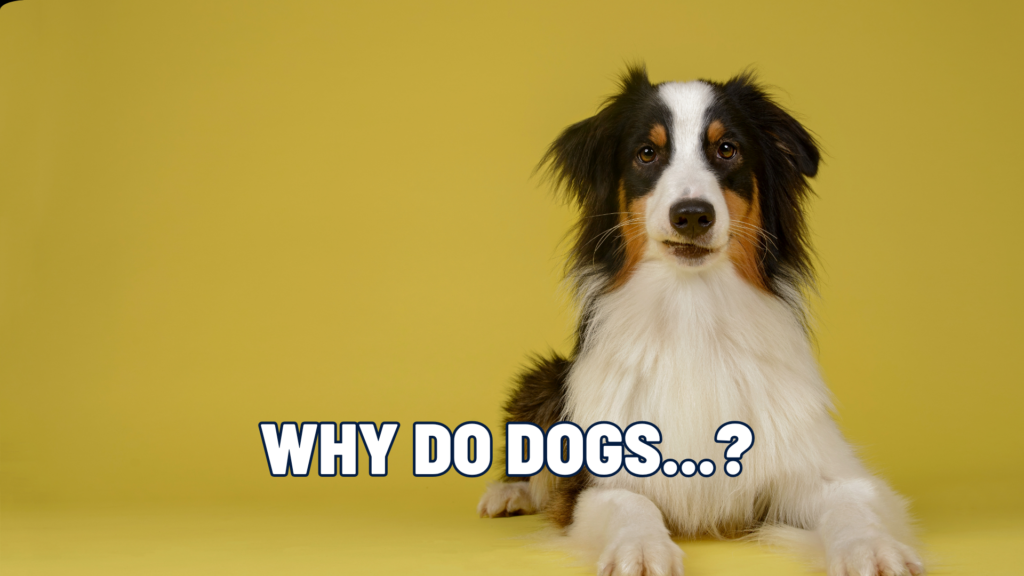
Why do dogs wag their tails? Why do cats purr? If you’re a pet owner, you’ve probably searched online for answers to all sorts of questions about your pets. Maybe you want to know some fun facts about your Labrador Retriever, or you’re curious about what your dog can and can’t eat. Looking up these questions is not only entertaining, but it’s also a great way to learn more about your furry friends.
This made us wonder: what questions do pet owners search for the most? We decided to find out. Here are the top questions people ask about pets and our answers to each one.
Why do pets…?
Like being petted?
The simple answer is that it feels good! Like people, pets enjoy affection from those they trust. Petting helps them feel safe, loved, and relaxed. It’s also frequently associated with praise, like a stroke behind the ear or a happy “Good Boy,” which pets naturally respond to in a positive way.
Petting is good for both pets and people. It helps your pet feel calm and safe, and it’s also a great way for you to bond together.
Still, not every pet likes being petted. Every animal is different, so it’s important to pay attention to your pet’s body language and behavior before you start.
Hate the vet?
Just like some people don’t like going to the dentist, pets might see a trip to the vet as a negative experience. It can be stressful for them, but the good news is that you can make vet visits easier for both you and your pet by using positive reinforcement and a bit of planning ahead.
Try to keep things calm on the way to the vet, reward your pet for good behavior, and bring along a favorite toy or use calming sprays if needed. If you need more help, your vet can offer more advice and support.
Hate fireworks?
Most pet owners know how stressful fireworks season can be for their animals. Loud noises and bright lights might seem harmless to us, but to pets they can be scary and even feel threatening.
Fireworks may never be fun for pets, but there are things you can do to help make the experience less stressful for them.
Make us happy?
Pets give us love, companionship, and plenty of cuteness, but they also help us feel better. Studies show that pets can lower blood pressure, reduce stress, and help us relax. In fact, one study found that more than half of people with pets said they never felt lonely when their furry friend was around.
Since our pets bring us so much happiness, it’s only fair that we do our best to make them happy too.
Follow you to the bathroom?
For pets, privacy doesn’t really exist. Many pet owners know how hard it is to go to the bathroom alone! So why do pets follow us? Some experts think it’s because of pack mentality. Your dog might be showing loyalty and wanting to protect you and your home.
Your dog might also just want to be close to you or is curious. As for cats, the pack mentality theory doesn’t really fit. For them, it could be about territory, your home, including the bathroom, is their space, and they want to know what you’re doing.
Why do dogs…?
Lick you?
Dog owners often wonder why their pets love to lick people. Most dogs do this, though not all. Licking might be a way to communicate; wolves, for example, lick their mothers for attention or food, or simply a way to get their attention.
Another reason is that people usually react happily when a dog licks them. Dogs may learn that licking gets a positive response from us.
Eat grass?
A lot of people think dogs eat grass because they’re sick, but that’s not always true. The Red Cross says dogs might eat grass just because they like the taste. Fresh grass can be surprisingly tempting for some dogs.
Dogs might also eat grass if they’re bored. You can help by giving them toys, food puzzles, and more playtime to keep them busy.
Eating grass is usually normal, but if your dog stops eating regular food or starts vomiting, contact your vet right away.
Howl?
It can be unsettling when your dog howls, so it’s no surprise that many pet owners look up why this happens.
Wolves used to howl to communicate with their pack or warn other animals away. Today, dogs may howl to communicate too, often in response to another dog or a high-pitched noise like music or fireworks. Usually, your dog will stop howling once the noise stops.
Howling can also mean your dog is anxious or in pain. If you see this or any other signs of distress, contact your vet as soon as possible.
Bark?
Barking is normal for dogs. They use it to communicate with us and to respond to noises like the doorbell. Dogs might also bark out of fear, to protect their territory, or even while they’re sleeping.
While these are normal reactions, barking can sometimes signal a behavioral problem or be problematic for your neighbors. Most, not just to show happiness, as you may have thought. Tail wagging instinctively begins at around three to four weeks, and as well as showing happiness or joy, a tail wag can also be a sign of nervousness or fear.
You can often tell why your dog is wagging its tail by looking at the tail’s position and what’s happening around them. For example, a low, gentle wag might mean your dog is curious, while a big wag with a wiggling backside usually means they’re happy.
Tail wags can look different depending on the breed. Next time you’re at the park, watch how different dogs wag their tails; you’ll see a variety of styles based on breed and size.
You can find many more answers to common pet questions on our blog, so feel free to take a look around.
Where to Listen to Dog Works Radio

Dr. Robert Forto
is Alaska Dog Works’ training director.

Michele Forto
is the lead trainer for Alaska Dog Works.
Subscribe to the Dog Works Radio podcast, and check out The Pack newsletter, delivered straight to your inbox.
If you purchase through our links, Alaska Dog Works may earn a commission. Prices were accurate at the time of publication but may change.
We offer a FREE Strategy Call.
Click on the graphic to learn more



Read More