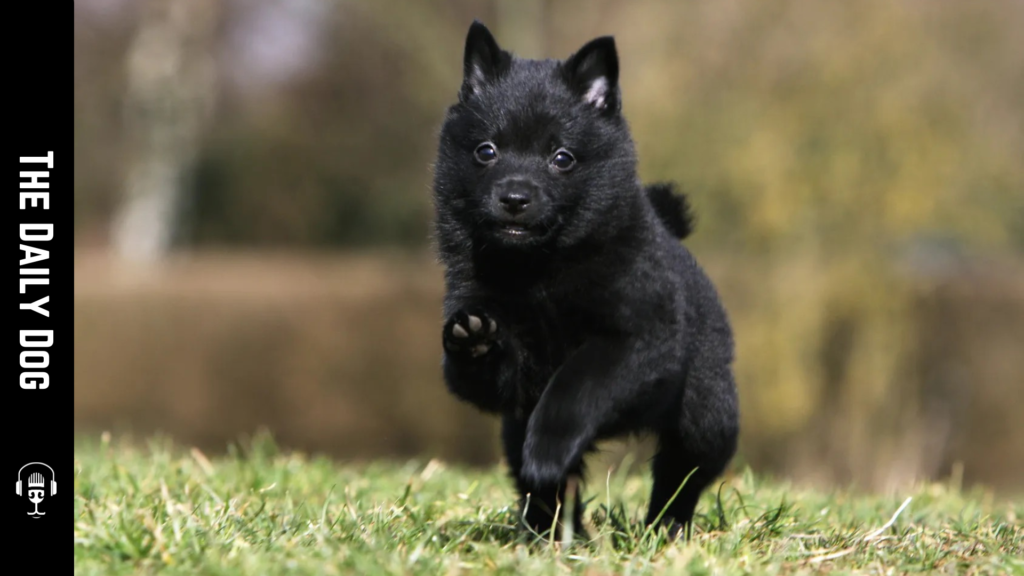
The Schipperke is a compact, lively companion whose size belies a bold, confident character. Originating from Belgium and often nicknamed the “little captain” or “miniature Belgian shepherd,” this breed has a distinctive silhouette, a fox-like face, dense double coat, and a ruff that gives it a lion-like appearance. Its history as a vigilant watchdog on canal boats and farmsteads informs today’s Schipperke temperament: alert, curious, and highly trainable when properly engaged. For families seeking a confident, agile, and affectionate dog, the Schipperke checks many boxes while demanding thoughtful care and consistent leadership.
A Storied Lineage and Distinctive Traits
The Schipperke’s lineage traces back centuries, with roots tied to Belgian canal culture. The breed’s defining features include a compact stature, a plush double coat that sheds seasonally, and ears that stand erect, drawing attention to its bright, intelligent eyes. This breed tends to be naturally wary of strangers, which can translate into a strong protective instinct without becoming aggressive. In homes where socialization starts early and ongoing mental stimulation is provided, Schipperkes become loyal, affectionate family members who form close bonds with their people.
Grooming and exercise needs are central to keeping a Schipperke thriving. Their thick coat requires regular brushing to minimize shedding and prevent mats. Seasonal maintenance, including routine ear cleaning and dental care, supports overall health. Despite their small frame, Schipperkes possess surprising stamina and enjoy activities that challenge both body and mind. A well-planned routine that includes brisk walks, structured play, and mentally engaging tasks helps prevent boredom, which can otherwise lead to behaviors like excessive barking or digging.
A Smart, Trainable Mindset
One of the Schipperke’s most attractive qualities is its high intelligence. This breed learns quickly and responds well to positive reinforcement, consistent boundaries, and engaging training sessions. Early socialization is essential to help the dog feel confident around strangers and other animals. Because Schipperkes can be naturally vocal, owners should emphasize impulse control and teach an appropriate fetch, settle, and place commands. Training should be short, frequent, and fun to keep this curious canine motivated.
Despite its eagerness to please, the Schipperke thrives under a firm, patient leadership style. Consistency helps the dog understand expectations and reduces stubborn moments. Enrichment activities, advanced trick training, scent games, agility courses, or puzzle feeders, harness their problem-solving skills and prevent boredom. For families with children, supervision and teaching appropriate interaction are key, as with any small, energetic breed. When properly socialized, the Schipperke can be a courteous and confident playmate for kids and adults alike.
Health Considerations and How to Care for a Long, Healthy Life
Schipperkes typically enjoy a robust lifespan, often living into their teens with proper care. Nonetheless, potential health concerns warrant proactive attention. Common issues include dental problems, patellar luxation, progressive retinal atrophy, and certain heart conditions. Regular veterinary check-ups, a balanced diet tailored to small breeds, and routine exercise help mitigate risks. Maintaining a healthy weight is crucial, as excess pounds can stress joints and contribute to other health concerns. Vaccinations, parasite prevention, and prompt attention to any unusual signs, such as changes in appetite, energy, or vision, are essential parts of responsible ownership.
Exercise requirements for a Schipperke are moderate but meaningful. They relish daily walks that challenge their stamina and provide opportunities for sniffing and exploration. Interactive games, like hide-and-seek with treats or toy-based problem-solving activities, keep their minds sharp and prevent behavioral issues rooted in boredom. Grooming sessions twice a week typically sustain a healthy coat, with more frequent brushing during shedding seasons. Regular dental care, including brushing and occasional professional cleanings, supports long-term health and comfort.
Socialization, Boundaries, and Safe Living Environments
A well-adjusted Schipperke feels comfortable in a variety of living environments, from apartments to larger homes, provided their needs are met. The breed’s compact size makes them adaptable to smaller spaces, as long as daily exercise and mental stimulation are prioritized. Socialization should begin early, exposing the dog to different people, pets, noises, and environments. This exposure helps temper wariness and turns it into confident curiosity rather than unnecessary fear or aggression.
Boundaries are a critical component of responsible ownership. Schipperkes benefit from structured routines, predictable training cues, and a calm, assertive leadership style. Crates or designated “safe zones” can support anxiety management and help in housetraining, especially for puppies or dogs adjusting to a new home. Enriching environments, interactive feeders, puzzle toys, and safe chew items, offer outlets for natural instincts such as digging and exploring without causing damage.
Choosing a Schipperke as a Family Pet
Families drawn to the Schipperke often seek a courageous, lively companion who can keep up with active lifestyles. This breed’s boldness makes it a reliable watchdog in many settings, while its affectionate nature ensures it forms deep, rewarding bonds with its human family. Prospective owners should be prepared for a dog that is inquisitive and sometimes stubborn, requiring consistent guidance and ongoing mental challenges. When matched with a home that prioritizes daily exercise, structured training, and early socialization, the Schipperke thrives as a loving, engaged, and loyal partner.
Travel, Work, and Everyday Adventures
For active households, a Schipperke can be an ideal travel partner and daily adventure buddy. The breed’s alertness and enthusiasm make it well-suited for hikes, city explorations, and family outings. They’re quick to adapt to new environments, provided they feel safe and secure. Training is essential for any on-the-go lifestyle, especially to manage barking tendencies in unfamiliar places. A well-exercised Schipperke is more likely to be a well-behaved companion during trips, car rides, and social events.
Nutrition and Feeding Best Practices
Feeding a Schipperke requires attention to portion control and nutrient balance appropriate for small breeds. Calorie needs vary with age, activity level, and metabolism. A veterinarian can prescribe a formula that supports a healthy weight, promotes coat condition, and maintains energy for daily activities. Fresh water should always be available, and treats should be used strategically to reinforce training without overindulgence. Periodic weight checks help prevent obesity, a common issue that can affect mobility and overall health in small breeds.
A Thoughtful Approach to Longevity
The Schipperke’s long-standing reputation as a loyal, bold companion is earned through steady leadership, loving care, and ongoing mental and physical engagement. Prospective owners benefit from understanding the breed’s temperament, exercise needs, and grooming requirements before bringing one home. With proper socialization, consistent training, and a stimulating environment, the Schipperke becomes a cherished member of the family who delivers both spirited play and heartfelt companionship.
Why this breed resonates with modern households
Modern families often appreciate the Schipperke for its balance of assertiveness and warmth. The breed’s size makes it practical for many living arrangements, while its personality brings a dynamic energy that fosters strong family bonds. The Schipperke’s problem-solving abilities and eagerness to learn also translate into rewarding training experiences, allowing owners to develop a deep, communicative partnership with their dog. This bond, built on trust and mutual respect, stands at the heart of a fulfilling human-dog relationship.
Capturing the essence of the Schipperke in your home
If you’re considering adding a Schipperke to your life, start with creating a routine that supports physical activity, mental challenges, and social exposure. Commit to regular grooming, preventive veterinary care, and a training plan that uses positive reinforcement and clear boundaries. The reward is a confident, affectionate companion who greets each day with curiosity, courage, and a steadfast sense of loyalty.
Where to Listen to Dog Works Radio

Dr. Robert Forto
is the training director for Alaska Dog Works.

Michele Forto
is the lead trainer for Alaska Dog Works.
Subscribe to the Dog Works Radio podcast, and check out The Pack newsletter, delivered straight to your inbox.
If you purchase through our links, Alaska Dog Works may earn a commission. Prices were accurate at the time of publication but may change.
We offer a FREE Strategy Call.
Click on the graphic to learn more



Read More