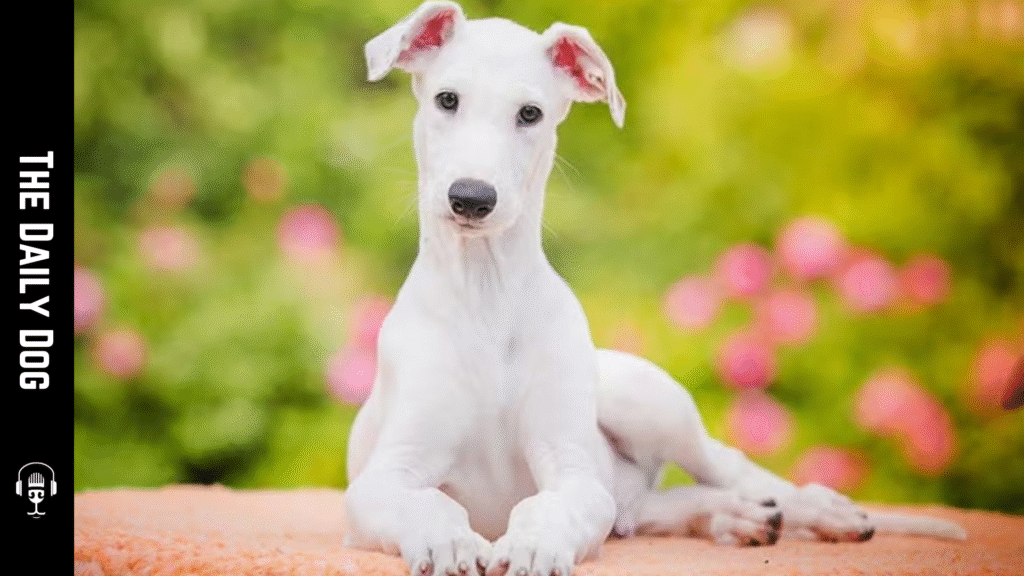
Greyhounds stand as one of the most recognizable and revered dog breeds in the world. With a sculpted frame, fluid movement, and unmistakable almond-shaped eyes, they captivate hearts while delivering a paradox: a racing pedigree wrapped in a temperament that is serene, affectionate, and surprisingly low-maintenance. For potential owners, adopters, and dog enthusiasts alike, understanding the Greyhound’s history, personality, care needs, and health considerations can illuminate why this breed remains a top choice for families, singles, and seniors seeking a low-key, loyal companion.
A Rich Heritage and Timeless Appeal
The Greyhound’s lineage traces to ancient civilizations, where dogs of svelte silhouettes and exceptional speed were prized for hunting and sport. Today, the breed is synonymous with the sport of dog racing, yet many Greyhounds never race. Those that retire from the track often transition into loving home life as “phantom” or “grey” companions, valued for their adaptability and dignified presence. This dual heritage contributes to a breed that embodies both vitality and restraint. The result is a dog that can effortlessly blend into a modern household, offering both striking beauty and a dependable, gentle temperament.
Physique, Movement, and Aesthetic
The iconic Greyhound is famous for its aerodynamic build: a deep chest, long legs, and a narrow waist designed for speed. But what truly sets them apart is the way they move—graceful, effortless, and astonishingly quiet for such a powerful animal. Even when sprinting in short bursts, their form remains elegant, a testament to centuries of selective breeding aimed at efficiency and balance. This combination of athletic prowess and refined appearance makes Greyhounds a favorite for families seeking a striking, low-maintenance canine presence.
Temperament: Calm Dignity Paired with Loyal Affection
Despite their athletic history, Greyhounds are renowned for their calm, almost statuesque demeanor indoors. They often sleep 12 to 14 hours a day, savoring cozy naps that help them recharge. When awake, they typically demonstrate a gentle, dignified temperament, preferring comfortable, quiet environments over loud chaos. They are unusually people-focused and tend to form strong bonds with a single primary caregiver or the entire household, depending on the individual dog’s history and socialization. While they are not known for high energy indoors, Greyhounds are capable of bursts of speed during a carefully monitored play session or a short outdoor run.
Their intelligence is evident in their quick learning and independent streaks. They respond well to positive reinforcement training, particularly when rewards align with their natural motivation. Socialization from puppyhood helps them navigate interactions with other dogs and people, reducing anxiety in new situations. In families with children, Greyhounds generally exhibit patience and gentleness, although supervision is always recommended to ensure respectful play.
Care and Maintenance for Longevity and Comfort
Greyhounds are relatively low-maintenance compared to other large breeds. Their short coat requires minimal grooming, weekly brushing helps reduce shedding and keeps the coat sleek. Bathing can be as needed, though many owners opt for infrequent cleansing to preserve natural oils that support a healthy skin barrier. Regular dental care is essential; brushing a few times per week and providing dental chews contribute to overall health and prevent problematic conditions.
One of the breed’s most endearing traits is their suitability for apartment living or smaller homes, provided they receive daily exercise and mental stimulation. A properly fenced yard or routine leash walks ensures they burn energy safely without feeling restricted. Because of their lean build and lower body fat, Greyhounds are more prone to sensitivity in cold weather or hard surfaces. Providing a soft bed, insulated blankets, and non-slip flooring can enhance comfort, particularly for older dogs or those with joint concerns.
Exercise needs are moderate but highly specific. Short, rapid sprints or fenced-yard runs are ideal for satisfying their instinct to chase and run, while longer, slower leash walks nurture stamina and cardiovascular health. Mental enrichment is equally important: puzzle toys, scent games, and gentle obedience sessions prevent boredom and encourage ongoing learning. A well-exercised Greyhound tends to be a content, well-behaved companion who thrives on routine and predictable daily structure.
Health Considerations and Lifespan
Greyhounds generally enjoy robust health with an impressive lifespan ranging from 10 to 14 years, though individual factors such as genetics, diet, and activity level influence longevity. Notable health considerations include sensitivity to anesthesia due to a lower body fat percentage and a higher rate of dental issues if dental care is neglected. Regular veterinary checkups, appropriate vaccinations, and parasite prevention are essential components of responsible ownership.
Common breed-specific concerns include osteoarthritis in older dogs, which can be managed with weight maintenance, gentle exercise, and, when advised by a veterinarian, joint supplements. Some Greyhounds are prone to bloat, a condition requiring prompt attention to abdominal distension and discomfort. Owners should be familiar with warning signs and seek immediate care if acute symptoms arise. Responsible breeders and adopters often prioritize health testing to reduce the risk of inherited conditions and to ensure a long, happy life together.
Adoption and Selecting the Right Greyhound
For many, adoption offers the most immediate path to a loving companion. Retired racing Greyhounds frequently adapt quickly to home life, bringing a reputation for loyalty and affectionate nature. Prospective owners should consider temperament, energy levels, and household dynamics when selecting a Greyhound. A meet-and-greet with the dog’s caregiver or rescue organization can help gauge compatibility and establish trust prior to adoption. It’s essential to inquire about the dog’s history, medical records, and any behavioral notes that can guide enrichment and training plans.
Training, Socialization, and Bonding
Positive reinforcement training methods work exceptionally well with Greyhounds. Reward-based cues, consistency, and patience cultivate trust and reinforce good manners. Socialization should begin early, exposing the dog to a variety of people, environments, and other pets in a controlled, supportive setting. Crate training and a consistent routine can provide a sense of security, especially for dogs that experienced upheaval in their past lives.
Bonding with a Greyhound often centers on quiet, shared activities. Regular, low-stress routines, gentle walks, play sessions with interactive toys, and cuddle time, help strengthen the human-dog connection. Because Greyhounds are inclined to be relatively stoic, signs of stress or discomfort may be subtle. Owners should monitor body language for hints of anxiety, such as tail tucking or stiff posture, and respond with patience and reassurance.
Travel, Lifestyle Fit, and Family Dynamics
Greyhounds adapt well to various living arrangements, from single professionals to busy families. They tend to thrive in homes where daily structure is predictable, and where quiet rest periods are valued. When traveling, many owners appreciate the breed’s generally calm demeanor, ease of car travel, and spartan needs for exercise that can be satisfied with a few short outdoor sessions. For families with children, teaching gentle handling and respect for the dog’s personal space helps prevent unintended roughness and fosters a harmonious household.
Environmental and Ethical Considerations
Choosing a Greyhound involves considering ethical breeding practices and the welfare of racing dogs. Reputable breeders and rescue organizations prioritizing health testing, proper socialization, and lifetime care contribute to responsible ownership. Prospective owners should ask about health clearances, breed-specific screening, and the availability of aftercare resources. Rescues often provide a supportive transition, including behavioral assessments and enrichment tools to ensure a smooth adjustment to home life.
Why Greyhounds Remain a Timeless Choice
The Greyhound occupies a unique niche among canine companions: a breed built for speed and a temperament tailored for serenity. This blend of athletic elegance and tranquil companionship resonates with people who value elegance, loyalty, and a low-key lifestyle without sacrificing affectionate, family-oriented engagement. When matched with the right home, a Greyhound’s presence can transform a living space into a sanctuary of warmth, comfort, and steady companionship.
Finding the right voice in your household for a Greyhound means recognizing the importance of routine, gentle communication, and a safe environment. Owners who invest in consistent training, enrichment, and preventive care often report a deep, enduring bond that stands the test of time. Greyhounds teach us that strength can be expressed through restraint, speed can coexist with stillness, and loyalty can thrive in a quiet, thoughtful heart.
A Final Thought on Responsible Ownership and Lifelong Rewards
If you’re drawn to a dog that embodies grace, loyalty, and a surprisingly relaxed daily rhythm, the Greyhound deserves careful consideration. The breed’s striking appearance is matched by a temperament that welcomes calm companionship and thoughtful interaction. By prioritizing health, training, and social enrichment, owners can experience a rewarding relationship built on trust, respect, and mutual joy.
Call to Action
Ready to deepen your understanding of canine training and behavior? Listen to our podcast, Dog Works Radio for training tips and tricks from top trainers that have worked with over 3000 clients at https://dogworksradio.com
We offer a FREE Strategy Call.
Click on the graphic to learn more



Read More