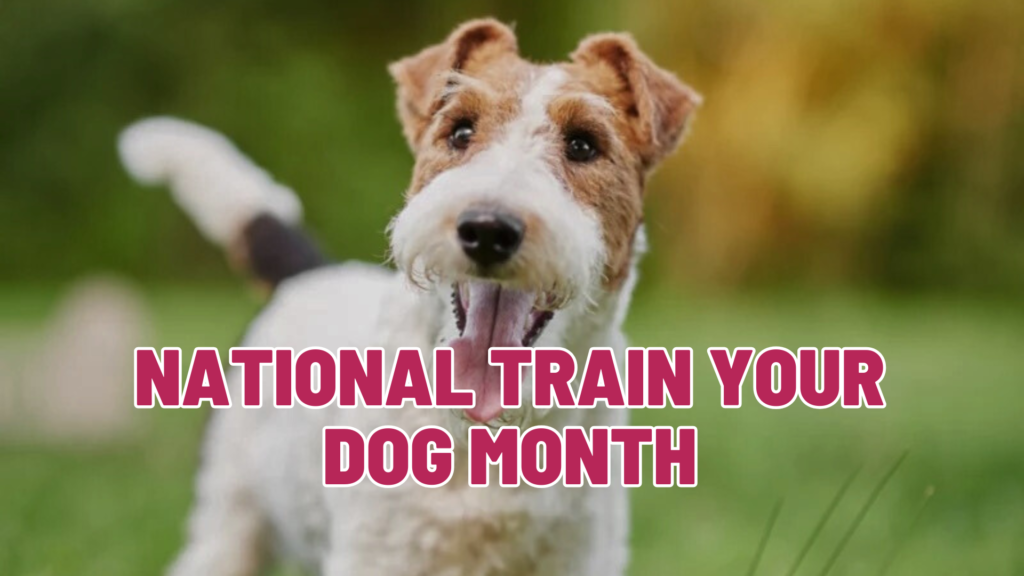
January is National Train Your Dog Month, but the message behind it matters far beyond one month of the year. Training is not a quick fix. It is the foundation of how dogs learn to live successfully with people. When training is clear and consistent, behavior improves, confidence grows, and everyday life becomes easier for both ends of the leash.
On a recent episode of Dog Works Radio, the trainers at Alaska Dog Works broke down why so many dog behavior problems come from confusion rather than bad dogs, and how small daily training habits make the biggest difference.
This article expands on that conversation and gives you a practical way to put it into action.
Why National Train Your Dog Month Exists
National Train Your Dog Month was created to encourage responsible dog ownership. Over the years, countless dogs have been labeled “problem dogs” when the real issue was a lack of clear communication.
Dogs are not born knowing how to walk politely on leash, greet guests calmly, or settle in a busy household. Those are learned skills. When training is inconsistent or unclear, dogs fill in the gaps themselves, and that is where frustration starts.
Training is not about control. It is about communication. When dogs understand expectations, the world becomes predictable, and predictability reduces anxiety.
Most Dog Behavior Problems Come From Confusion
One of the biggest misconceptions in dog training is that dogs will simply grow out of unwanted behaviors. In reality, behaviors that are practiced get stronger.
Pulling on leash, jumping on people, barking for attention, or ignoring recall all work for dogs when they are accidentally reinforced. From the dog’s perspective, behavior is information. If something works, it gets repeated.
Common causes of dog behavior problems include:
Inconsistent rules between family members
Too many training goals at once
Long gaps between practice sessions
Relying on internet advice that contradicts itself
Dogs thrive on patterns. When those patterns change day to day, learning slows down.
Short Training Sessions Work Better Than Long Ones
One of the most practical dog training tips we share is this: training does not need to be long to be effective.
Five to ten minutes, two or three times a day, is far more productive than one long session once a week. Dogs learn through timing and repetition, not duration.
Short sessions:
Keep dogs mentally engaged
Prevent frustration and burnout
Fit naturally into daily routines
National Train Your Dog Month is the perfect time to reset expectations and build training into everyday life rather than treating it like a separate task.
Why Consistency Matters More Than Perfection
Consistency is what turns dog training into habit. Dogs do not need perfection from their humans, but they do need predictability.
If a behavior is allowed one day and corrected the next, dogs receive mixed messages. From their perspective, the rules change based on mood or convenience, not logic.
Consistency means:
Sit means sit every time
Jumping is never allowed, not sometimes
Loose leash walking is expected on every walk
Dogs are incredible observers. They notice patterns we do not realize we are teaching.
Training Builds Confidence, Not Robots
Positive dog training is often misunderstood. Training is not about turning dogs into robots or suppressing personality. It is about giving dogs clarity.
A trained dog is a confident dog. When expectations are clear, anxiety decreases. Many issues such as reactivity, destruction, excessive barking, and stress behaviors are rooted in uncertainty.
Training gives dogs tools to navigate the world successfully. That confidence allows them to go more places, experience more environments, and live fuller lives with their people.
Pick One Training Goal and Commit to It
One of the most powerful takeaways from National Train Your Dog Month is simplicity. Trying to fix everything at once often leads to frustration.
Instead, choose one measurable goal:
Sitting calmly when guests enter
Walking one block without pulling
Settling on a mat instead of pacing
Work on that goal for a few minutes each day. Momentum matters. Once progress starts, building on it becomes easier.
When to Work With a Professional Dog Trainer
If you are training consistently and not seeing improvement, it does not mean you failed. Often it means you need another set of eyes.
A professional dog trainer can identify:
Timing issues with rewards
Reinforcement mistakes
Environmental factors affecting behavior
This is especially important for fear, reactivity, or aggression. Those behaviors should never be ignored or handled casually. Getting help early improves outcomes and quality of life for everyone involved.
Training Is a Relationship, Not a Checklist
Every interaction you have with your dog teaches something, whether you realize it or not. Training is an ongoing conversation.
If pulling works, dogs learn to pull.
If barking gets attention, dogs learn to bark.
If calm behavior is rewarded, dogs learn to settle.
National Train Your Dog Month is a reminder that training is not a one-time event. It is part of the relationship you build with your dog over time.
Listen to the Full Episode
This article pairs with our full podcast episode on Dog Works Radio, where we go deeper into dog behavior training, consistency, and how to build habits that last.
If you would like help creating a training plan that fits your dog, your schedule, and your goals, the team at Alaska Dog Works offers professional training support for dogs of all ages and behavior needs.
Training is an investment that pays off for years. January is just the starting line.
Where to Listen to Dog Works Radio

Dr. Robert Forto
is Alaska Dog Works’ training director.

Michele Forto
is the lead trainer for Alaska Dog Works.
Subscribe to the Dog Works Radio podcast, and check out The Pack newsletter, delivered straight to your inbox.
If you purchase through our links, Alaska Dog Works may earn a commission. Prices were accurate at the time of publication but may change.
We offer a FREE Strategy Call.
Click on the graphic to learn more



Read More

The Russian Tsvetnaya Bolonka: A Lively, Colorful Companion with Gentle Temperament

The Most Effective Ways to Get an Obedient Dog: Proven Training Techniques