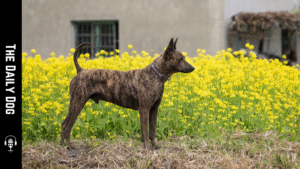
The Pointer is a storied breed renowned for its athleticism, keen instincts, and loyal companionship. With a lineage tracing back to the early days of bird hunting, this breed has earned a place in both working kennels and family homes. A Pointer’s defining trait is its poised, almost statue-like stance when it locks onto game, a signal that embodies precision, patience, and focus. But beyond the field performance, the Pointer is a breed that thrives on purpose, training, and a strong bond with its owner. This makes it a compelling choice for active households seeking a can-do partner that combines athletic prowess with affectionate temperament.
A Breed with Purpose and Personality
Pointers were bred to work in tandem with hunters, covering large stretches of terrain with speed and enduring stamina. Their energy is a hallmark, making them excellent companions for runners, hikers, and families who enjoy outdoor adventures. Yet their temperament is equally notable. Pointers tend to be loyal, intelligent, and eager to please, traits that translate into a responsiveness to training when approached with consistency and positive reinforcement. This blend of independence and affection means Pointer owners must provide clear boundaries, sustained mental engagement, and regular physical activity to keep the breed balanced and content.
Physical characteristics and build are what many enthusiasts first notice. Pointers are typically medium to large in size, with a lean, athletic silhouette that emphasizes speed and endurance. Their short coat, often in combinations of orange and white or liver and white, is not only striking but practical for outdoor work. The breed’s expression is alert and intelligent, reflecting a mind that’s constantly processing cues from the environment. While appearance draws attention, it’s the Pointer’s reliability and trainability that truly set it apart.
Training and Exercise for a Pointer
Training a Pointer is an exercise in consistency and positive motivation. From puppyhood, establishing a routine that blends obedience work with scent-driven activities helps channel their natural instincts into constructive behavior. Early socialization is essential to ensure confidence in various environments, people, and other animals. Because Pointers are motivated by rewards and praise, using reward-based training methods yields the best outcomes. Gentle, clear cues paired with high-value treats or playtime can accelerate learning and deepen the bond between dog and owner.
Mental stimulation is as important as physical exercise for this breed. Pointers excel when given puzzle toys, scent-games, or structured tasks that require problem-solving. These activities not only tire them out but also fulfill their instinct to explore and hunt, reducing the likelihood of boredom-induced mischief. Regular, varied exercise helps prevent anxiety and destructiveness while supporting a calm, well-behaved household companion.
In terms of outdoor activity, Pointers crave regular, vigorous exercise. Long runs, brisk hikes, and field training sessions are ideal. However, it’s essential to balance exertion with rest, especially for younger dogs whose joints are still developing. A well-planned schedule might include daily walks, several short training sessions, and weekly long-range outings that engage both mind and body. For families considering a Pointer, committing to an active lifestyle is part of the value proposition of the breed.
Grooming and Health Considerations
A Pointer’s coat is relatively low-maintenance, requiring only regular brushing to minimize shedding and to keep skin healthy. Routine checks for ears, teeth, and nails should be part of a monthly care routine. As with many breeds, responsible breeders emphasize health screenings to minimize inherited conditions. Prospective Pointer owners should be aware of potential issues such as hip dysplasia, elbow dysplasia, and certain eye conditions. Working closely with a reputable breeder who conducts genetic testing and health clearances can help reduce the likelihood of inherited problems.
Nutrition also plays a critical role in a Pointer’s well-being. A balanced diet tailored to age, weight, activity level, and any medical considerations supports energy, coat quality, and overall vitality. Consistent feeding schedules, portion control, and access to fresh water contribute to a healthier, happier dog. When in doubt, a veterinarian can provide guidance on portion sizes, nutrient balance, and supplements if needed.
Pointers in the Home: Suitability and Family Dynamics
The Pointer thrives in homes that provide structure, activity, and companionship. This breed tends to be affectionate with family members and can exhibit strong protective instincts, particularly around children. Early socialization and ongoing training help ensure polite behavior and a stable temperament. Because Pointers can become highly focused on scents or tasks, it’s important to teach impulse control and redirection so they stay engaged with people and household life rather than fixating on objects or external stimuli.
For families with children, supervision and teaching appropriate interactions are essential. Pointers generally do well with kids who know how to interact respectfully and calmly, but their strong prey drive and size mean supervision is prudent around very young children. A well-balanced Pointer is a wonderful family member, bringing energy, warmth, and reliability to daily routines.
Choosing the Right Pointer
If you’re evaluating whether a Pointer aligns with your lifestyle, consider your activity level, time for training, and the importance you place on companionship. The breed’s adaptability means it can excel as an agile sporting partner, a watchdog, or a loyal family dog, provided you meet its needs for physical exercise, mental challenges, and social interaction. Prospective owners should seek a breeder who values temperament, health, and responsible breeding practices. Meeting the litter and observing how puppies interact can offer insight into color, energy, and potential personality traits.
Pointer vs. Other Breeds: Why This Choice Stands Out
Compared with some sporting dogs, the Pointer’s balance of endurance, trainability, and affectionate disposition makes it a standout choice for many households. While some breeds may require more intensive grooming or higher sustained maintenance, the Pointer offers a comparatively straightforward care routine and a willingness to learn. For active individuals or families who crave a four-legged partner to accompany day trips, runs, or field work, the Pointer provides a compelling blend of speed, stamina, and companionship.
History and Heritage that Illuminate the Present
Rooted in a lineage of versatile hunting dogs, the Pointer’s history reflects centuries of selective breeding focused on marking birds with a distinctive stance and a consistent, methodical temperament. This heritage continues today in the breed’s modern iterations, where the core qualities—alertness, trainability, and an eager to please attitude—remain central. Understanding this heritage helps owners appreciate the breed’s strengths and the care needed to channel its energy responsibly.
A Commitment to Responsible Ownership
Owning a Pointer is a commitment to ongoing training, exercise, and social engagement. Regular veterinary care, up-to-date vaccinations, and routine preventive measures keep the dog in peak condition. Because of their active nature, Pointers benefit from a structured daily routine that includes mental challenges and physical workouts. With proper care, Pointer homes can cultivate a resilient, confident, and loving dog that thrives in dynamic environments and loyal companionship.
Conclusion: The Pointer as a Partner in Active Living
In every realm of activity, from rugged countryside runs to cozy lounge evenings, the Pointer brings a sense of purpose and vitality. Its athletic build, keen instincts, and affectionate personality combine to form a breed that is not only capable in the field but deeply connected to the people who care for it. If you’re ready to invest in training, consistency, and daily activity, a Pointer can become a trusted partner that enriches your lifestyle and your family’s everyday moments.
Call to Action
Listen to our podcast, Dog Works Radio for training tips and tricks from top trainers that have worked with over 3000 clients at https://dogworksradio.com
We offer a FREE Strategy Call.
Click on the graphic to learn more



Read More