
A well-trained dog is not the dog that knows the longest list of commands. It is the dog that can live with people.
That difference matters. A dog can sit in the kitchen and still drag you down the driveway. A dog can know “come” and still disappear the second a hare moves in the trees. A dog can look polished in a class and fall apart the minute real life starts.
At Alaska Dog Works, we have spent more than 30 years training family dogs, working dogs, and service dog teams. After thousands of dogs, the pattern is consistent. The households that get reliable dogs are not collecting more tips. They are installing three foundations:
- Clear communication
- Structure and boundaries
- Relationship and follow-through
Miss one, and the other two start to leak.
What a Well-Trained Dog Actually Looks Like
People often describe the dog they want in vague terms: better behaved, calmer, more obedient.
What they usually mean is this:
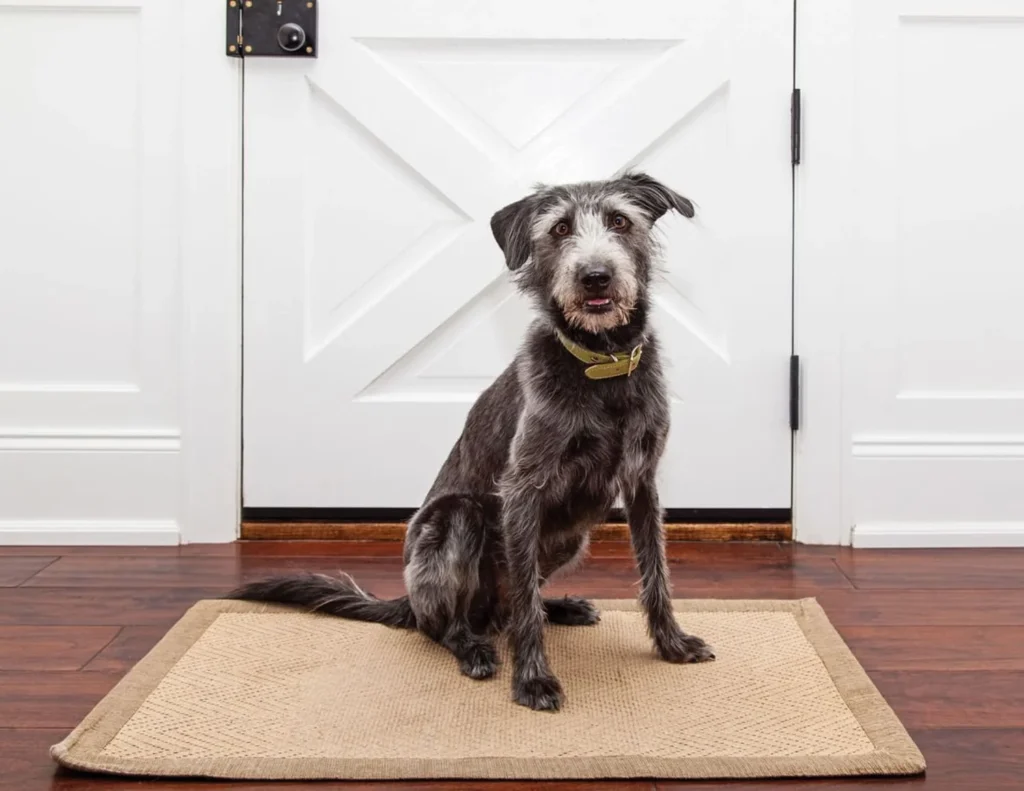
- The dog can wait at the door.
- The dog can walk without turning the leash into a tow rope.
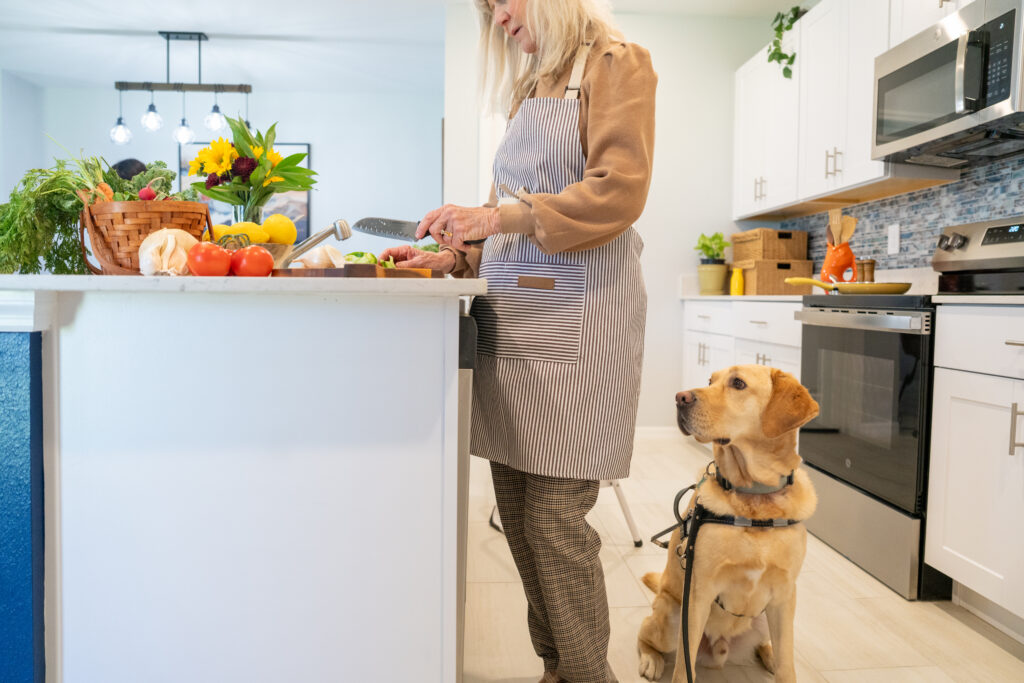
- The dog can settle while the house is active.
- The dog comes back when called.
- The dog does not need to be managed every second.
That kind of reliability does not come from a weekend binge of training videos. It comes from a household that says the same thing, means it, and repeats it in the environments that actually matter.
Key 1: Clear Communication
Dogs do not fail because they are stubborn by default. Many fail because the message is sloppy.
If “come” sometimes means come, sometimes means “come if you feel like it,” and sometimes means the owner walks out and collects the dog anyway, the dog learned the real rule: coming is optional.
Clear communication means:
- one cue means one thing
- every person in the house uses the same words
- the cue is given once
- the dog is given a chance to be right
- the right behavior is recognized immediately
A common example: an owner says “sit,” then repeats it, then leans in, then taps the collar, then says it in a nicer voice. The dog eventually sits. What did the dog learn? That “sit” is the start of a conversation, not a request.
This is not a personality problem. It is a clarity problem.
Clean this up first. Sit, down, come, wait, place, and leave it should each have one meaning. If two adults use two different words for the same action, the dog is not being difficult. The dog is doing math.
Key 2: Structure and Boundaries
This is the key people resist because it sounds less warm than “relationship.”
Structure is the relationship.
A dog that knows where to exist in the house is calmer than a dog that has to invent a job. Place work, door manners, food manners, leash manners, and a predictable leaving-and-returning routine do more for household peace than another trick.
Boundaries answer the questions the dog is already asking:
- Can I rush the door?
- Can I take food off the counter?
- Can I bark at the window until something changes?
- Can I decide when the walk starts?
If the answer is “sometimes,” the dog will keep testing. That is normal. Testing is how a dog finds out whether a rule is real.
The households that turn around fastest are rarely the ones that buy new equipment. They are the ones that stop letting the dog rehearse the wrong behavior all day and then hoping a 10-minute session will undo it.
You cannot out-train a rehearsal schedule. If the dog pulls for the entire walk, that walk is the training session. The sit-stay in the living room is not.
Key 3: Relationship and Follow-Through
Relationship is not “the dog sleeps on the bed.”
Relationship is this: the dog believes you are worth checking in with.
Follow-through is how that belief gets built.
If you ask for a down and then walk away while the dog gets up, you taught the down did not matter.
If you call the dog and then sound irritated when it arrives, you made coming to you less safe.
If one person in the house has rules and another person folds, the dog will work the weaker system.

This is why we say we do not just train dogs. We train owners too. The dog can learn the skill quickly. The household has to keep the skill alive after the trainer leaves the driveway.
Affection without follow-through creates a friendly dog that is not reliable. Follow-through without relationship creates a brittle dog that only works under pressure. You need both.
Why the Three Keys Have to Work Together
Clear communication without structure is nicer language in a chaotic house.
Structure without relationship becomes rigid and easy to break.
Relationship without follow-through is warmth with no reliability.
That is why a dog can look excellent in a training facility and fall apart at the trailhead. The facility had clear cues. Real life had excitement, wildlife, guests, and no follow-through.
The keys do not change by breed. The cost of skipping them does.
A Jack Russell finds the hole in your system quickly.
A Beauceron makes the hole expensive.
A Labrador can look delighted while it rehearses the wrong thing.
Same keys. Different intensity.
How This Shows Up in Alaska
Alaska makes weak systems obvious.
A sloppy recall is not a small problem when wildlife is part of ordinary life.
A sloppy door routine is not cute when a guest gets hit in the chest.
A “he’s just excited” greeting is not a personality trait when the dog is large, young, and practiced.
Winter also tests follow-through. When the weather is bad, training shrinks or disappears. The dogs that stay manageable through January are usually the ones whose owners keep the same rules indoors: place, wait, settle, and short sessions. The climate is not the excuse. It is the filter.
A One-Week Plan
Do not try to install all three keys at once. Pick the weakest one.
If communication is sloppy:
Choose five cues. Use the same words. Say each cue once. Help if needed. Mark the correct response.
If the house is chaotic:
Start with doors and the food bowl. The dog waits. The dog is released. Every time.
If the dog knows the rules and still blows through them:
The issue is follow-through. Stop repeating. Stop negotiating. Make the rule the same on Tuesday as it is on Saturday.
Ten focused minutes a day will beat a chaotic weekend of “getting serious.”
When to Get Help
Get professional help if:
- the dog is getting more intense, not more manageable
- people in the house cannot agree on the rules
- recall is collapsing around movement or wildlife
- greetings, barking, or pulling are taking over daily life
- you already know what to do and still cannot make it stick
That last one is common. Information is not the same as a system.
A well-trained dog is not created by the best method on the internet. It is created by a household that says the same thing, means it, and repeats it in real life.
If you want help seeing which key is missing in your house, that is what a strategy call is for. We will look at your dog, your routine, and the one change that will actually move the needle.
Frequently Asked Questions
Clear communication, structure and boundaries, and relationship with follow-through. Commands matter. The system behind the commands matters more
Home is usually lower distraction and more predictable. Reliability has to be trained in the environments where you actually need it.
Some manners improve in days when the household becomes consistent. Real-world reliability takes longer because the dog has to practice the right behavior in more places.
No. Most owners need clearer cues, better routines, and follow-through. Equipment can help in specific cases. It cannot replace the three keys.
Yes. High-energy and working breeds usually need the keys sooner and more consistently. They do not need a different philosophy. They need less rehearsal of the wrong behavior.
No. This is not about intimidating a dog. It is about being understandable, consistent, and worth checking in with.
We offer a FREE Strategy Call.
Click on the graphic to learn more
Read More
The Ultimate Guide to French Bulldogs: A Comprehensive Look at This Beloved Breed